Unici Approcci Il corpo
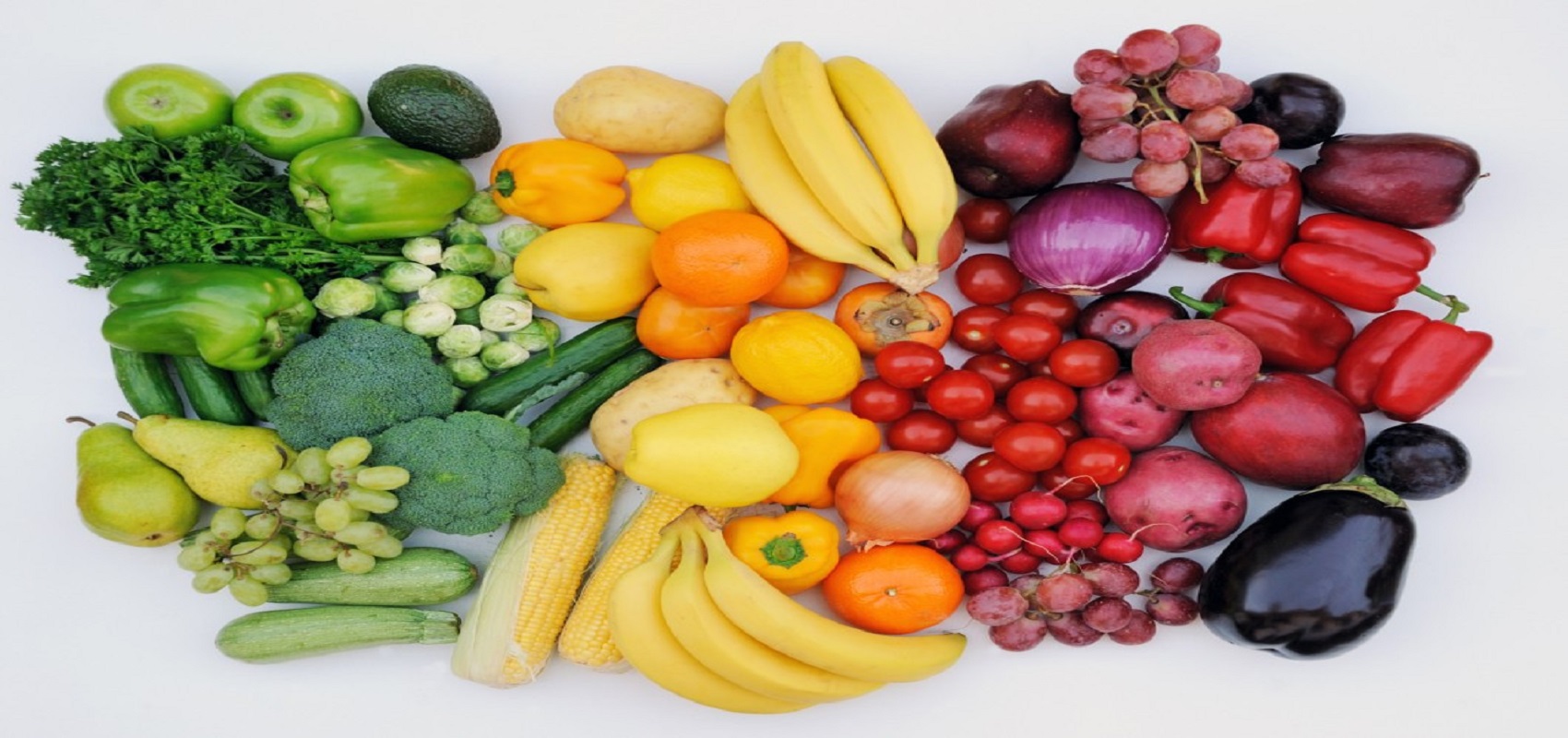
Unici Approcci Il corpo are packed with essential nutrients and offer numerous health benefits. It reflects cultural beliefs, influences health choices, and shapes personal growth. Each approach offers unique insights into how we live, move, and feel in our own skin.
Exploring these methods reveals how diverse ideas about the body can be both meaningful and practical. They can inspire us to connect with ourselves on a deeper level or motivate healthier habits. Recognizing these differences helps us appreciate both tradition and innovation in body care.
Historical Roots of Body Approaches in Italy
The story of how Italians see and treat the body spans thousands of years. It is a mix of traditions, ideas from ancient civilizations, and modern discoveries. Throughout history, Italy has been home to thinkers, healers, and artists whose ideas have shaped how people understand and care for their bodies today.
Understanding these roots helps us see why Italy’s body approaches are so rich and unique. They connect the wisdom of the past with new ways of moving and feeling great.
Classical Ideas and Cultural Traditions
Ancient Italy, especially during the Greek and Roman periods, set the foundation for many body practices still alive today. The Greeks brought a new way of thinking about physical health, strength, and beauty. They believed that a healthy body helped create a healthy mind. The Olympic Games, for example, celebrated both physical skill and moral virtue.
Romans added their own touch by focusing on discipline, physical training, and hygiene. They built vast aqueducts and baths, which became social and wellness centers. Roman sculptures captured the human form with perfect detail, inspiring therapy and fitness routines that celebrated proportion and balance.
These ancient ideas emphasize harmony between mind and body. They promote physical activity not just for health but for moral and aesthetic reasons. Many practices rooted in that era influence Italian approaches even now, such as Pilates, which echoes their focus on core strength and posture.
20th Century Movements and Innovations
After the upheaval of the two World Wars, Italy saw a new wave of interest in the body. People looked for ways to recover physically and mentally. Movements like dance therapy and early forms of bodywork started to surface.
During the 1950s and 1960s, Italian dance companies became international symbols for modern expression. Choreographers like Giorgio De Chirico used dance not only as art but as a way to reconnect with the body. This period also saw the emergence of yoga practices, brought from India but quickly adapted to fit Italian lifestyles.
In the 1970s, some pioneers in Italy began experimenting with ways to bypass purely physical training. They focused on breath, relaxation, and emotional release methods inspired by eastern traditions. These forms of bodywork aimed to treat mental and emotional health through movement and touch.
Italian innovators blended modern psychology with physical practice, giving birth to techniques like Feldenkrais or Alexander Technique, which emphasize awareness and gentle movement. These approaches aim to improve posture, reduce pain, and enhance overall well being with minimal effort but maximum focus.
This blend of tradition and innovation makes Italian body approaches stand out. They often prioritize personal experience, mindfulness, and self awareness values that resonate deeply across Italy’s diverse regions and cultures.
Contemporary Perspectives on the Body
Today’s ideas about the body blend science, personal growth, and wellness in ways that were rarely imagined in earlier eras. Modern practices focus on how we move, feel, and connect with ourselves and others. They acknowledge that the body is not just a vessel for physical health but also a space for emotional expression and self discovery.
These approaches reflect a shift toward understanding the body as a whole system. They combine tradition with new insights, making them accessible and relevant to everyday life.
Integrative and Holistic Practices
Contemporary Italian approaches often bring different parts of ourselves into one practice. They don’t see the body, mind, and emotions as separate. Instead, they are interconnected. This view leads to methods that work on overall well being.
Practitioners might combine physical exercises, breathing techniques, and emotional work into a single session. For example, meditation might be paired with gentle stretching or body awareness to help reduce stress. These practices recognize that when one area is activated or healed, others follow.
Many people find these approaches effective because they address the root of discomfort, not just the symptoms. It’s about feeling more connected to yourself instead of just fixing what’s broken. This focus on harmony makes these practices popular for those seeking a balanced lifestyle.
Role of Technology and Innovation
Technology plays a big part in shaping how Italians care for their bodies today. Wearable devices and apps track movement, sleep, and heart rate, giving instant feedback. These tools bring awareness to everyday habits, helping users spot patterns and make smarter choices.
Virtual reality and online classes open new ways to learn movement and self care techniques from home. Whether it’s a guided meditation, a yoga class, or a physical therapy session, digital platforms make access easier and more personalized.
Innovations in therapy also include biofeedback devices that teach users how to calm their nervous system through controlled breathing and muscle relaxation. These tools help build awareness of bodily responses and promote relaxation without the need for physical contact.
In Italy, this tech focus boosts body awareness and personal growth. It allows people to stay active, healthy, and mindful amid busy schedules. Technology becomes a partner in maintaining a caring relationship with the body, making health habits easier to adopt and stick to.
Cultural Significance and Social Impact
In Italy, the body is more than a physical form; it’s a symbol of identity, pride, and social connection. How Italians express themselves with their bodies shapes how they interact and see each other. This cultural view influences social roles and community bonds, creating a shared language of movement and presence.
Italians often see the body as a mirror of their personality and a way to communicate without words. From lively conversations, gestures tell stories filled with emotion and emphasis. A simple hand wave or a shrug can carry meaning that words might not express. These gestures form a silent conversation that strengthens social bonds and reveals personal character.
Body language holds a special place in Italian society. It’s used to show respect, affection, or even challenge. For example, standing tall and making eye contact can show confidence or honesty, while a gentle touch on the arm offers connection and trust. People read each other’s body signals to understand intentions and social cues. This unspoken language makes interactions richer and more genuine.
Italian culture also shapes personal identity through body practices. Dancing, sports, and traditional gestures become ways to express heritage and personality. These practices forge a sense of belonging and pride that extends beyond individual identity. When Italians take part in a family feast, a dance, or a community event, they celebrate their culture through movement.
Social gatherings often become vivid displays of body language. Whether it’s a lively pasta dinner or a spontaneous dance in the streets, bodies move together to create a collective experience. These shared gestures and movements build community and reinforce cultural bonds. They remind everyone that the body is a vital part of who they are and how they connect.
Cultural pride also shows in the way Italians care for their appearance. Fashion and posture are expressions of confidence and elegance. Standing tall, dressing well, and paying attention to grooming become acts of self respect. These choices shape how others see them and strengthen their place within a community.
Throughout history, Italy’s art and media have celebrated the human form. From classical sculptures to modern films, Italians have long viewed the body as a canvas for storytelling. This tradition continues today, shaping modern ideas about beauty, strength, and expression.
In Italy, the body is a proud emblem of identity. It’s a language spoken through gestures, movement, and style. This shared understanding of the body helps build social connections, foster community pride, and create a sense of belonging that lasts across generations.
The Future of Body Approaches in Italy
Italy’s history of body practices is rich and deep, rooted in thousands of years of tradition. Today, new ideas are shaping how Italians care for and relate to their bodies. These changes reflect a desire to blend the old with the new, often focusing on health, self awareness, and community. As Italy moves forward, emerging trends and ongoing research give us a glimpse of the next steps in body approaches.
Personalized Wellness and Self Discovery
The idea of personalized health continues to grow in Italy. People want routines that fit their specific needs, schedules, and lifestyles. Customized fitness programs and body therapies are becoming common. These approaches focus on understanding one’s body signals and adapting practices accordingly.
More Italians are turning to body mind exercises like yoga, Pilates, and Feldenkrais. These methods promote awareness and gentle movement, helping people connect with their bodies. As research shows the benefits of mindfulness, expect more local studios to offer integrative classes that combine physical and emotional care.
Self discovery through movement is also gaining traction. Italian practitioners emphasize listening to your body and respecting its limits. Instead of pushing through pain, they encourage kindness and patience. This focus on inner awareness aligns with Italy’s cultural pride in self expression.
Movement Specialties with Cultural Roots
Italy’s deep love for art and tradition influences future body approaches. New movement styles inspired by Italian heritage are emerging. For example, dance inspired therapy is on the rise, blending classical Italian movement traditions with modern techniques.
At the same time, traditional Italian practices like Italian folk dancing are being revisited. Modern initiators are adapting these dances to serve as both cultural expression and physical exercise. These movements preserve Italian identity while offering accessible ways to improve health.
Physical therapies rooted in Italy’s artistic history could also see renewed interest. Think of therapies that mimic the soft, expressive gestures in Italian painting and sculpture. These techniques may become tools for emotional release and physical relaxation.
Innovative Use of Technology
Technology continues to shape what’s possible for body care in Italy. Wearables that monitor posture and movement are becoming more popular. People use these devices to correct habits or prevent pain before it starts.
Virtual classes and online coaching expand access to body practices. No matter where someone lives in Italy, they can learn from top trainers or therapists. Virtual reality systems could bring immersive movement experiences into homes, making exercise more engaging.
Furthermore, new biofeedback tools help users learn how to calm their nervous system. By giving real time insights into physical responses, these devices support healing and stress management. As more research proves their effectiveness, expect these tools to grow in popularity.
The Role of Community and Social Bonding
Italy’s social fabric is woven with body language and shared movement. Future body practices will likely deepen this connection, turning physical activity into community bonding. Local dance groups, outdoor fitness classes, and traditional rituals can become social events that build trust and pride.
Group activities help reinforce cultural identity while promoting health. Think of street dances or communal sports that let Italians celebrate their heritage through movement. These gatherings foster a sense of belonging and keep traditions alive.
Body based therapies and classes who aim to strengthen community ties will play a bigger role. They will focus on shared experiences that improve well being and reinforce social bonds. As Italy values family and community, these approaches will continue to flourish.
Ongoing Research and New Discoveries
Interest in the science behind body care keeps growing. Researchers are exploring how movement influences mental health, sleep, and resilience. Italian universities and clinics are investing in studies on physical activity’s effect on aging and chronic conditions.
New discoveries about how the nervous system responds to movement will refine practices. There’s growing evidence that gentle, mindful movement helps regulate emotions and reduce anxiety. Expect to see more therapies designed around calming the nervous system, tailored to Italy’s aging population.
Additionally, research into nutrition and body health continues to shape future practices. Many Italians already connect food with wellness, and this link will deepen. Integrative approaches that combine diet, exercise, and emotional work will become prominent.
Looking Ahead
Italy’s approach to the body will stay rooted in its traditions but grow more inclusive and personalized. Expect a focus on blending practices that honor the past with innovations that serve modern needs. Movement will become more than exercise; it will be a tool for self awareness, emotional health, and cultural expression.
As Italy continues to value its artistic history, community, and wellness, new body practices will emerge that resonate on deeper levels. They will remind us that the body is not just a physical shell but a living story of culture, identity, and innovation.
The variety of ways Italians see and care for their bodies reflects a deep connection to tradition and a curiosity for growth. From ancient Greece and Rome to modern wellness trends, these approaches build on a shared respect for harmony and self awareness. Today, new tools and ideas continue to expand what’s possible, blending age old practices with innovation.
The future looks promising for personalized, community focused, and mindful body routines rooted in Italy’s values. As awareness grows, so does the potential to improve health, happiness, and cultural pride through movement and self care. The body remains a powerful symbol of identity, expression, and connection. Exploring these paths promises a richer understanding of ourselves and each other. Thank you for joining this journey through Italy’s unique body approaches.