Tradizionali Pratiche La salute La salute
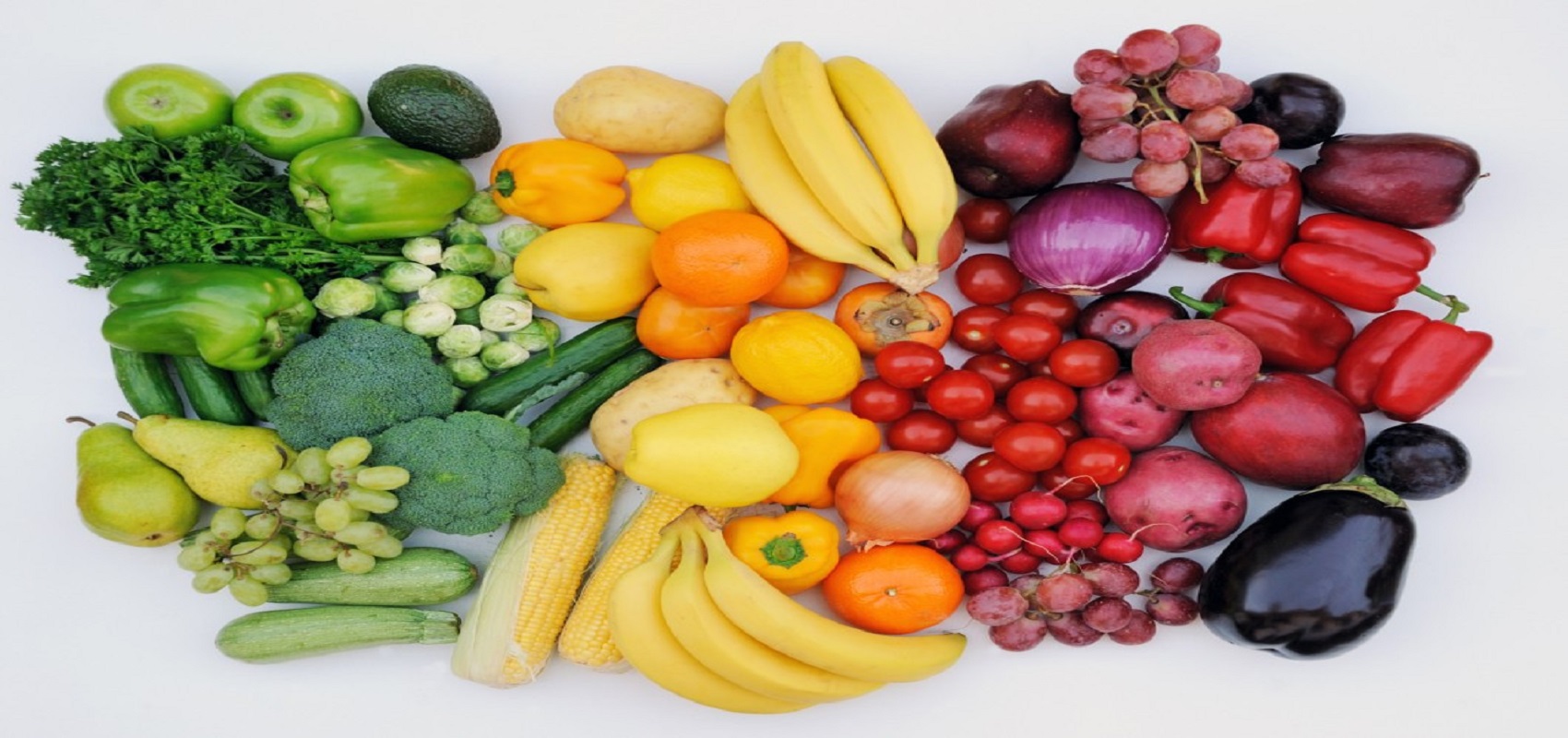
Tradizionali Pratiche La salute La salute are packed with essential nutrients and offer numerous health benefits. They often reflect a deep connection with natural elements, local herbs, and centuries old routines. These customs question modern medicine’s quick fixes and look to age old wisdom for guidance. Many find comfort in their simplicity and long history of use, believing they support true well being. explore how these practices continue to influence health today and what we can learn from them.
Origins and Nature of Traditional Practices
Traditional practices have roots that stretch back thousands of years. They come from the everyday lives of ancient peoples who looked to their surroundings for health and healing. These methods aren’t random; they are woven into the cultures that created them, reflecting deep beliefs about how the body, mind, and environment connect.
Historical Roots and Cultural Significance
Many ancient cultures developed distinct approaches to health based on their unique environments and experiences. These practices often held a spiritual as well as physical importance. For example, Chinese medicine has been practiced for over 2,000 years. It’s built on the idea that health depends on a balance between forces called yin and yang. Practitioners use herbs, acupuncture, and movements to restore harmony in the body.
Similarly, Ayurveda, originating in India, looks at health as a balance among body, mind, and spirit. It believes that each person has a unique constitution, called dosha, that must be kept in check. To do so, Ayurveda uses herbal remedies, dietary changes, and massage therapy. These practices are not only about treating illness but about preventing it by maintaining harmony with nature.
Native American healers also relied on close ties with their environment. They used natural elements like herbs, minerals, and water for healing. Rituals and ceremonies played a key role in their treatments. These traditions often centered around community healing and respecting the sacred link between humans and nature.
What stands out across these cultures is the idea that health is more than just the absence of disease. It involves a harmony that connects physical, emotional, and spiritual well being. These practices are more than medical routines; they are ways of understanding life itself.
Core Principles of Traditional Healing
At the heart of these ancient practices are a few guiding principles. First, they focus on balance. Whether it’s balancing energy, elements, or forces, health is seen as an equilibrium. When that balance is disrupted, illness follows.
Second, traditional healing emphasizes the importance of using nature. Herbs, plants, minerals, and natural remedies are preferred over synthetic chemicals. The belief is that nature provides what the body needs to heal itself.
Third, these practices look at the whole person. They don’t just treat a specific symptom. Instead, they consider lifestyle, diet, mental state, and spiritual health as part of the healing process. This approach often means personalized treatment plans rooted in the individual’s unique makeup.
Lastly, community and tradition matter. Many healing rituals involve shared activities, ceremonies, or social support. The healing process isn’t just for the individual; it strengthens community bonds and cultural identity.
Common Methods and Practices
Traditional healing methods range widely but often share common techniques. Here are some familiar practices:
- Herbal medicine: From ginseng in China to turmeric in India, herbs are used to boost health and fight illness naturally.
- Acupuncture and energy work: In Chinese medicine, small needles stimulate specific points to balance energy flow. Similar techniques exist in other cultures, aiming to unblock vitality.
- Massage and bodywork: Ayurveda uses oil based massages to relax muscles and improve circulation. Native traditions often involve ceremonial touches linked to spiritual beliefs.
- Diet and nutrition: Many cultures prescribe foods that align with their understanding of balance. For instance, Ayurvedic diets prioritize foods that support individual constitutions.
- Rituals and ceremonies: Spiritual elements feature prominently. These rituals often mark transitions in health or life change and reinforce community bonds.
Traditional practices offer a different lens on health one rooted in harmony and respect for natural laws. They remind us that health is more than clinical tests. It’s a holistic experience that involves caring for the body, mind, and spirit alike.
Traditional Practices and Modern Health
Traditional health practices have been around for centuries. They come from a time when people relied on nature and their surroundings for healing. Today, many of these old methods still influence how we approach wellness. Understanding the connection between traditional practices and modern health can offer new ways to maintain balance and prevent illness.
The Connection Between Old and New
Traditional practices often focus on balance. Unlike modern medicine, which treats specific problems with drugs or surgery, these methods look at the whole person. They believe health depends on harmony inside your body and with the world around you. This view sees health as more than just the absence of illness. It’s about feeling whole, both physically and mentally.
Many modern health experts are now rethinking this approach. They see value in the natural remedies and holistic methods used for generations. Some hospitals even include herbal remedies or acupuncture as part of their treatment plans. They recognize that traditional practices can support long term wellness.
Natural Elements and Their Healing Power
Nature plays a key role in traditional practices. Herbs, plants, minerals, and water are used to restore health. These natural remedies are trusted because they have worked for centuries. They are often gentler than synthetic medicines and easier on the body.
Several common herbs and their uses include:
- Ginseng, for energy and stamina
- Turmeric, for reducing inflammation
- Valerian root, for better sleep
- Ginger, for digestion and immune support
Using these natural elements relies on the belief that the body can heal itself when given the right tools from nature.
The Whole Person Approach
One of the main differences between traditional and modern health care is how they see the individual. Traditional practices treat the person, not just the disease. They look at diet, mental health, lifestyle, and spirituality.
For example, in Ayurveda, each person has a unique dosha or body type. Based on this, specific foods, herbs, and routines are recommended. This personalized approach aims to keep your body’s balance. It’s about preventing illness before it starts.
Many people find this holistic approach more satisfying. It respects their background, beliefs, and personal journey toward health. It makes care feel more connected to their everyday life.
The Role of Rituals and Community
Health is often seen as a social and spiritual experience in traditional cultures. Healing rituals and ceremonies are common. These activities reinforce community bonds and serve as a reminder that health affects everyone around us.
For instance, some Native American tribes perform healing dances or rituals that connect nature, spirituality, and health. Chinese medicine includes acupuncture sessions often paired with meditation and breathing exercises. These practices aim to align the body’s energy and restore harmony.
Community involvement in health care creates support and shared purpose. It reminds us that healing isn’t just personal but a collective effort.
Common Practices in Use Today
Many traditional methods continue to thrive because they are simple, effective, and grounded in history. They include:
- Herbal remedies: From teas to tinctures, herbs help boost immunity and fight common ailments.
- Acupuncture and energy work: Small needles or gentle touches are used to unblock energy and reduce pain.
- Massage and body therapies: Regular massage improves circulation and eases stress.
- Diet and nutrition: Foods are chosen based on their energy and balancing effects, not just nutrient content.
- Rituals and ceremonies: These bring mental clarity and emotional relief, often supporting recovery.
Incorporating these practices into everyday life can deepen your connection to health. It’s about finding what works for you naturally and respectfully.
Final Thoughts
Traditional practices show us that health is more than just taking pills or visiting a doctor. They teach us that harmony, nature, and personal balance are key. Many of these age old methods still hold relevant lessons today. They remind us that healing is an ongoing journey, one that includes caring for our body, mind, and spirit.
Health Benefits and Challenges of Traditional Methods
Traditional healing methods have stood the test of time by offering natural alternatives to health issues. Their long history shows that they can support overall well being, often without the harsh side effects linked to synthetic medications. These practices promote a sense of balance and connection with nature that many find calming and grounding. However, they are not without limitations, and understanding both their strengths and weaknesses helps us make smarter choices about health.
Holistic Approach to Well being
Traditional practices see health as a complete picture body, mind, and spirit work together. Instead of focusing on specific symptoms, they aim to restore balance across all aspects of life. This outlook encourages treating the person as a whole, not just fixing an illness. The focus is on preventative care, which emphasizes maintaining harmony in daily routines, diet, and mental health.
This approach often leads to a more personal, respectful relationship with health care. It invites you to be an active participant in your wellness, encouraging habits that support long term health. It also respects cultural backgrounds and individual beliefs, making treatment more meaningful and sustainable.
Natural Remedies and Their Effectiveness
The use of natural remedies remains one of the strongest appeals of traditional medicine. Herbs like ginseng, turmeric, and ginger have been trusted for centuries. Many studies now show they can effectively reduce inflammation, boost energy, and support immune health. These remedies often have fewer side effects because they come from naturally occurring plants and minerals.
Using nature for healing can feel safer and more gentle. People appreciate the idea of using what grows around them plants, water, earth to nurture their bodies. Many herbal treatments work well for minor ailments like headaches, colds, or digestive issues, especially when used thoughtfully and correctly.
However, natural remedies are not foolproof. Not all herbs are safe for everyone, and improper use can lead to adverse effects. The strength and purity of herbal medicines can vary, making quality control a concern. While they do help many, they should not replace professional medical advice or treatment in serious conditions.
Limitations and Risks
Despite their many benefits, traditional methods have their limits. They often lack the scientific testing and standardization that modern medicine provides. This means some methods or remedies may not be effective for certain illnesses, especially severe or life threatening ones.
Many herbal treatments do not have enough rigorous research to confirm their safety or real benefit. Sometimes, they can interact negatively with prescription drugs. Relying solely on traditional methods might delay necessary medical intervention. In worst cases, some traditional practices may cause harm if not guided by knowledgeable practitioners.
Another challenge is that traditional practices do not always offer quick fixes. They often require patience and consistent effort over time. This can be frustrating for those seeking immediate relief. Additionally, access can be limited, especially in urban areas where traditional knowledge is fading or herbs are hard to find.
Integrating traditional methods with modern healthcare offers a balanced path. It allows people to enjoy the natural benefits while still benefiting from scientific advancements. Proper guidance from trained professionals is essential. This way, traditional methods serve as a support system rather than a replacement for necessary medical care.
In conclusion, traditional practices bring important strengths that modern medicine can complement. Their holistic view and natural remedies support long term health, but awareness of their limitations keeps us grounded. Combining the best of both worlds creates a practical, safe approach to overall wellness.
Incorporating Traditional Practices into Today’s Healthcare
Many hospitals and clinics are turning back to practices that have been tested and trusted for generations. These methods often focus on the whole person, not just specific symptoms. By respecting traditional approaches, healthcare providers can offer options that feel natural and familiar. Integrating old and new creates a more complete way to care for people, especially those who seek a balanced treatment.
Bridging Traditional and Modern Medicine
Bringing traditional practices into modern healthcare isn’t about replacing the science we trust. It’s about opening a door to new ways of supporting health. When a doctor considers herbal remedies, acupuncture, or massage as part of a treatment plan, they recognize that health isn’t just about pills. It’s about a person’s entire well being.
Doctors and therapists now see the value in listening to what patients believe works. They understand that health is more than chemistry. It’s about feelings, environment, and living habits. Combining these worlds, they create a balanced approach rooted in respect for both proven science and ancient wisdom. It helps build trust, making patients more willing to follow their care plan.
Examples of Integrated Healthcare
Some clinics have started blending traditional practices with mainstream medicine. For example, cancer centers now include acupuncture alongside chemotherapy. Patients find this helps reduce nausea and stress. Similarly, physical therapy may combine massage techniques from Ayurveda with modern exercise routines.
In countries like China and India, hospitals often offer herbal remedies as part of their standard care. These treatments are used to boost recovery or ease side effects. Some US hospitals now have wellness programs that include meditation, herbal teas, or nutritional advice from traditional systems. These examples show how combining approaches addresses different needs at once.
Another common resource is herbal pharmacies in clinics. Patients can get personalized herbal formulations made by trained professionals, creating a bridge between ancient knowledge and today’s quality standards. These integrated services help people feel more in control of their health journey.
Steps to Respect and Preserve Traditional Practices
Respecting traditional methods starts with listening. Healthcare providers should understand the cultural and personal significance behind these methods. When patients share their beliefs or routines, practitioners must honor that trust. This approach fosters a relationship built on respect and openness.
Preserving these practices involves education. Professionals need training to understand how herbs, rituals, and techniques fit into the bigger picture. They should learn about safe dosages, interactions, and when to refer patients for specialized care.
Supporting traditional practices also means protecting their origins. It requires respecting cultural knowledge and ensuring that practices aren’t stolen or misused. Encouraging community involvement helps keep traditions alive. Supporting local herbalists, healers, and elders ensures these methods are passed down for future generations.
Finally, integrating traditional practices into healthcare calls for regulation and quality control. Reliable standards prevent unsafe products or treatments. Certification programs and scientific research can help identify what works and what to avoid, making sure patients benefit without risk.
In summary, respecting and preserving traditional health practices is about creating space for them in today’s world. It’s about blending old wisdom with new science, always prioritizing safety and cultural respect. When done right, it leads to a richer, more compassionate approach to health care.
Traditional practices offer a deep well of wisdom that still benefits health today. They teach us that true wellness comes from balance and connection with nature. These methods can support our bodies and minds without the harsh side effects of many modern treatments. Incorporating them safely into healthcare creates a fuller, more respectful approach to healing.
Respecting these age old routines preserves cultural heritage and gives us more tools to feel our best. Combining ancient knowledge with modern science makes health care more personal and effective. Let these practices remind us that healing is a long journey rooted in harmony and care. Thank you for exploring this path your understanding can inspire a healthier, more balanced life.