Sostenibili Strategie Il benessere
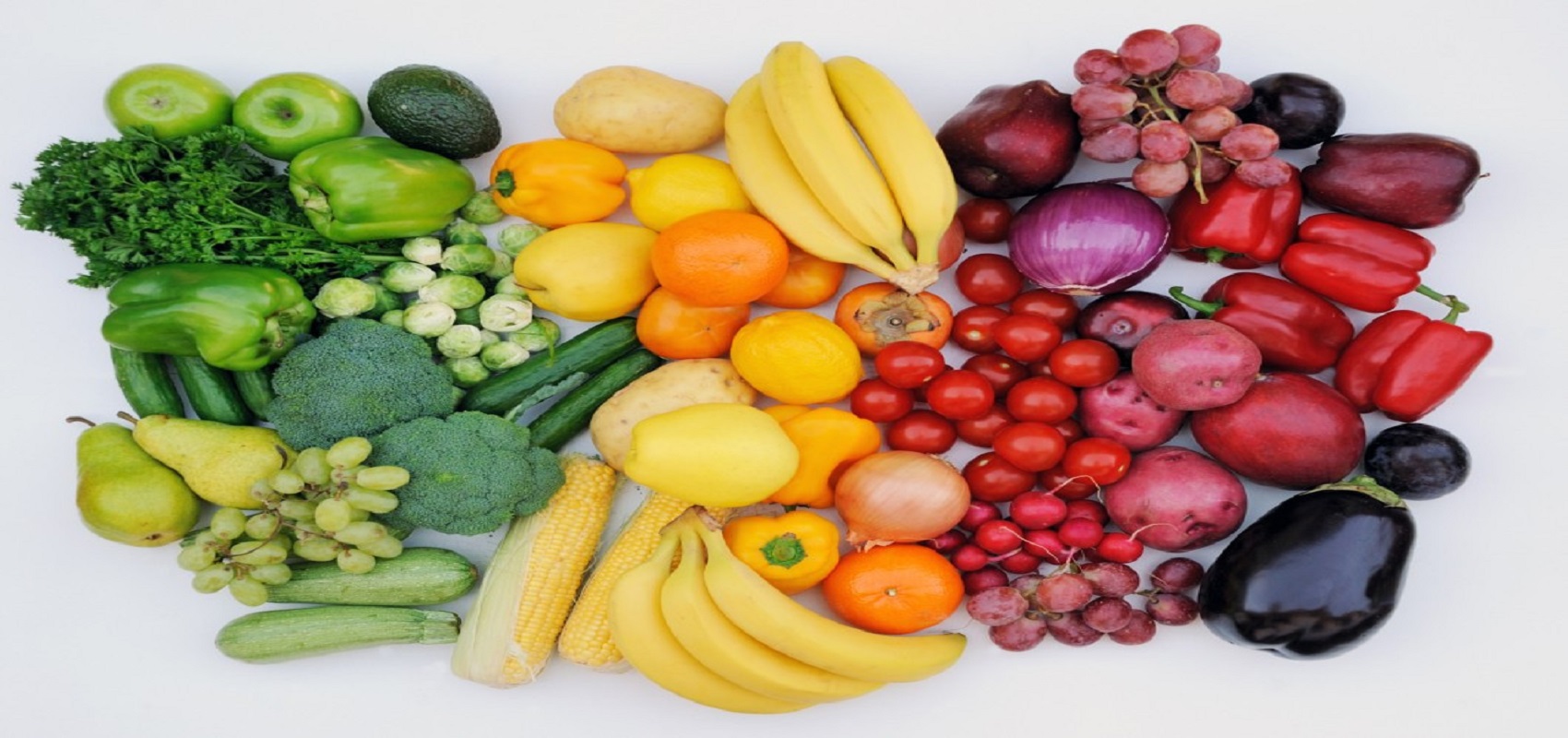
Sostenibili Strategie Il benessere are packed with essential nutrients and offer numerous health benefits. In fact, sustainable strategies can make health and happiness last longer. This approach combines simple habits with mindful choices that support both individual and community growth. It’s about creating routines that are good today and will stay effective tomorrow.
When we focus on sustainability, we ensure positive changes won’t fade with time. Instead, they become part of everyday life. show how practical steps can boost overall well being, making life more balanced and fulfilling for everyone.
Understanding the Core of Sustainable Well Being
Sustainable well being is more than a promise to fit into a quick trend. It’s about building habits that support health for many years. When your choices are sustainable, they protect your body, mind, and community from wear and tear. Think of it as planting a garden: instead of rushing to bloom quickly, you focus on healthy roots that grow strong over time. This foundation nurtures lasting health, keeping you balanced physically, mentally, and socially.
Healthy habits that last do not rely on shortcuts. Instead, they root in smart, consistent actions that blend with daily life. It’s about creating a way of living that adapts with changes and resists burnout. Let’s look at what makes this approach true to its name and how it shapes a better tomorrow.
Defining Sustainability in Personal Health
Sustainable practices in personal health mean more than choosing to eat greens or hit the gym once. It’s about forming routines that protect your well being long term. These habits aim to improve your quality of life without risking health breakdowns or burnout.
Quick fixes, such as crash diets or overly intense workouts, often bring short lived results. But they can also cause harm fatigue, stress, or injuries. Sustainable health avoids these pitfalls. It encourages balance, patience, and consistency.
Imagine your body as a machine that needs regular maintenance. Instead of dumping fuel quickly or pushing it to its limits, you fuel it steadily, rest enough, and tune it regularly. This approach keeps your health reliable and strong, even as life throws challenges your way.
Underlying sustainable health is the idea that habits should be adaptable, enjoyable, and rooted in self awareness. When you listen to your body and respect its limits, you create a lifetime of wellness rather than fleeting moments of perfection.
The Role of Community and Environment
No one lives in isolation. Our surroundings the air we breathe, the spaces we frequent, the people around us shape our well being just as much as our personal choices. Communities and environments either support or hinder long term health.
A safe neighborhood with parks and walkable streets makes activity easy and natural. Access to fresh food in local markets encourages healthy eating habits. Social spaces that foster connections build mental resilience and reduce feelings of loneliness.
Conversely, environments filled with pollution, noise, or lack of green spaces push health inward. Social systems that ignore mental health or fail to promote inclusiveness can create barriers that make well being difficult to sustain.
Healthy communities act like a safety net. They make it easier for you to stick to your habits and feel supported. When cities prioritize parks, clean air, and accessible healthcare, they give everyone a better chance at lasting wellness.
In this way, lasting well being depends not just on individual effort, but on nurturing the surroundings that help people thrive. It’s about creating spaces where health can grow naturally and issues can be addressed before they become unavoidable problems. Building better environments is as important as building better habits.
Adopt Plant Based and Local Foods
Eating with the seasons and supporting local farms can do more than just help your health. When you choose foods from nearby sources, they are often fresher and richer in nutrients. Think about crisp apples, vibrant greens, and ripe berries at the height of their season. These foods naturally support your body’s needs and boost your energy levels.
Eating plant based also reduces your environmental footprint. Fruits, vegetables, nuts, and grains require less water and land than processed or animal products. By shifting your plate toward more plant foods, you cut down on waste and greenhouse gases.
Supporting local farmers keeps money within the community, strengthening local economies. It also encourages farms to use sustainable practices that protect soil and water. The result is a healthier planet and a healthier you.
Making simple swaps like adding more vegetables or choosing seasonal produce is a powerful step toward sustainable well being. It’s a way to nourish your body while caring for the environment at the same time.
Prioritize Nature Inspired Activity and Rest
Spending time outdoors lifts your spirits and calms your mind. Nature offers a simple but profound way to recharge. Walking in a park, sitting by a pond, or even tending to a garden helps reconnect you with the natural world.
Practicing awareness while outside, like listening to birds or feeling the breeze, calms racing thoughts. This act of mindfulness reduces stress and promotes mental clarity. It also encourages you to slow down and notice life’s small details.
Balancing activity with rest is essential for sustainable well being. Your body needs time to recover after exercise. Rest allows muscles to rebuild, nerves to relax, and minds to reset. Taking breaks during the day and getting enough sleep at night keeps energy levels steady.
Think of your body as a balance scale. Too much activity without rest tips it in the wrong direction. Spending time outdoors and practicing mindful rest nurtures both physical and mental health. It’s a simple, effective way to stay balanced over the long haul.
Build Strong Social Connections
Healthy relationships form the backbone of lasting well being. When you have caring friends and family, life feels more meaningful and less lonely. These bonds provide emotional support when times are tough and celebrate your wins along the way.
You don’t need large groups to feel connected. Small, genuine connections matter most. Sharing a meal, having a heartfelt conversation, or working on a project together strengthens trust and understanding. These moments boost mental health and build community resilience.
Being part of a community offers a sense of belonging and purpose. It encourages you to stay committed to healthy habits when others share your goals. This mutual support creates a circle that sustains everyone’s well being.
Making an effort to nurture relationships each day offers a lasting uplift. It reminds you that health is not just an individual journey but a collective effort.
Reduce Waste and Embrace Minimalism
Living with less creates space physically and mentally. It minimizes clutter and helps you focus on what truly matters. Cutting down on excess waste benefits the environment and your peace of mind.
Start by asking what items you truly need. Save energy and resources by choosing quality over quantity. Buy only what you need, and look for ways to reuse or recycle items you already have. Small actions like this add up to a significant impact.
Adopting a minimalist mindset encourages intentional living. It shifts your focus from accumulation to appreciating what you already own. This reduces stress and creates a more serene environment.
Reducing waste also means making mindful choices about consumption. Supporting eco friendly products and reducing single use plastics lowers environmental strain. In turn, healthier ecosystems support our long term well being.
Living simply isn’t about deprivation. It’s about choosing authenticity and sustainability. When you focus on fewer, better options, you free yourself from unnecessary worry and contribute to a healthier planet.
Implementing Sustainable Strategies in Daily Life
Incorporating sustainability into daily routines isn’t about making huge changes overnight. It’s about small, consistent steps that add up over time. These habits foster not only your health but also the well being of your community and the planet. Let’s explore practical ways to build these habits into your everyday life.
Creating Routine and Setting Goals
Building new habits begins with clear, manageable goals. Instead of trying to overhaul your life all at once, focus on small, consistent changes. For example, aim to walk for 10 minutes after dinner a few times a week, or add one extra serving of vegetables to your meals. These small shifts become part of your routine and don’t feel overwhelming.
Set specific targets that motivate you. It could be reducing plastic use, taking shorter showers, or preparing meals from scratch more often. Write down your goals and track your progress. Celebrate small wins, like remembering to bring your reusable bag or turning off lights when leaving a room.
Creating habits is about repetition. When actions become part of your daily rhythm, they require less mental effort and start feeling natural. The key is consistency, not perfection. Over time, these choices become second nature, forming the foundation of a sustainable lifestyle.
Choosing Eco Friendly Products and Services
Everyday choices about products and services can either support or hinder sustainability. The first step is to look beyond the price tag. High quality, eco friendly items may cost more initially but last longer and do less harm.
Start by reading labels carefully. Opt for items made from natural materials, with minimal packaging. For cleaning supplies and personal care products, choose those labeled biodegradable or non toxic. When shopping for clothes, look for brands committed to ethical and sustainable practices.
Supporting local businesses and farms also makes a difference. Local markets often have fresher, seasonal produce, which reduces transportation pollution. Buying in bulk saves packaging waste. Consider replacing single use items with reusable ones, such as water bottles, containers, and cloth bags.
Most importantly, don’t overbuy. Focus on quality and necessity. Each purchase is an opportunity to choose products that reflect your values. Small shifts like these can significantly reduce your environmental footprint and support your health.
Engaging Family and Community
Lasting change doesn’t happen alone. It’s easier and more fun to stay on track when your loved ones share your goals. Invite family members to join your efforts, and look for ways to be a positive influence in your community.
Start by sharing your intentions openly. Suggest family activities like gardening, hiking, or cooking healthy, plant based meals together. These shared experiences build connections while promoting sustainable habits.
Encourage friends and neighbors to participate in community projects. Attend local farmer’s markets, join cleanup events, or organize swaps for clothes or books. Small actions by many create a ripple effect that fosters wider change.
Support and kindness are powerful motivators. When others see your commitment, they often become inspired to make their own small adjustments. Together, these efforts grow into a collective push toward healthier living and a healthier environment.
Making sustainability a core part of everyday life isn’t about perfect choices. It’s about being mindful, consistent, and open to small improvements. As you build these habits, remember your consistent actions pave the way for a better, more resilient future.
Overcoming Barriers and Maintaining Progress
Every journey toward sustainable well being runs into obstacles. Life throws surprises, old habits resurface, and motivation wanes. The key lies in understanding these barriers and finding practical ways to push through them. Staying committed over the long haul requires patience and a clear plan. Here are ways to handle common challenges and keep your progress steady.
Handling Convenience and Cost Barriers
One of the biggest hurdles to living sustainably is making it simple and affordable. When something feels inconvenient or expensive, it often gets pushed aside. The good news is that small changes can make a big difference.
Start with planning. Preparing meals ahead of time or setting a weekly schedule for eco friendly errands makes sustainable choices easier. When you have a plan, you spend less time deciding and more time living it.
Look for budget friendly options. Switch to reusable bags, jars, or cloth wraps. These cost less in the long run and cut waste. Buying seasonal produce and shopping at local markets save money and bring fresher food to your table.
Make “small wins” easy to reach. If you want to cut down on plastic waste, keep a reusable water bottle and shopping bag nearby. When these items are within arm’s reach, you use them more often.
It helps to remember that habit change doesn’t have to be perfect. Small steps, taken consistently, create lasting change. Overcoming convenience and cost barriers is about making sustainable choices fit seamlessly into your daily life.
Staying Motivated and Tracking Progress
In the beginning, enthusiasm runs high. Over time, motivation can slip. It’s natural for setbacks to happen. The trick is to stay focused and find ways to celebrate the small wins.
Use simple tools to track your progress. Journals, apps, or charts help you see how far you’ve come. Seeing your successes, whether it’s reducing waste or increasing plant based meals, keeps you motivated.
Set achievable goals. Break big changes into smaller steps. Celebrate each one. Held in check, these small celebrations boost your confidence. They remind you that every effort counts.
Keep your eyes on the bigger purpose. Think about how your choices ripple outward. Knowing that your actions improve your health, lower your bills, or help protect the planet fuels continued effort.
Connect with others who share your goals. Sharing progress or struggles creates a support system. It’s easier to stay on track when you know others understand your journey.
Remember, progress isn’t always linear. Some days are better than others. Consistency is what truly makes the difference. Focus on maintaining momentum, no matter how small your gestures seem.
Adapting Techniques Over Time
What worked at the start might need adjustment along the way. Life changes, and so do our priorities and circumstances. Flexibility keeps your sustainable habits fresh and effective.
Regularly review your goals and routines. Are they realistic? Do they still fit your lifestyle? Tweaking habits keeps them from becoming chores or sources of frustration.
Be open to trying new approaches. If shopping locally becomes difficult, explore alternative ways to support sustainable foods. If your schedule gets busier, find shorter activities or different routines that fit your current life.
Watch for signs that your motivation is fading. Perhaps certain habits no longer feel enjoyable or meaningful. When that happens, consider shifting your focus. Reframe routines to make them more engaging or relevant.
Remember, sustainability isn’t about strict rules. It’s about creating a lifestyle that evolves with your needs and environment. When habits become too rigid, they risk getting abandoned. Keep things flexible, curious, and reflective.
Build in periods to recharge. Occasionally pause to celebrate successes and review your progress. This refreshes your commitment and keeps your practice alive.
By adjusting your approach, you prevent burnout and stay motivated. Small, meaningful changes over time will keep your journey sustainable and rewarding.
Building a sustainable approach to well being is about making smart choices that fit into everyday life. Small, consistent actions add up to lasting health and happiness. By focusing on simple habits like eating locally, spending time outdoors, and nurturing relationships, you create a strong foundation that supports your goals over the years.
Remember, it’s not about perfection but progress. Sustain what works for you, adjust when needed, and celebrate each step forward. Your effort sets an example for others and shows how lasting change truly happens.
Keep moving steadily toward habits that nourish your body, mind, and community. Every step you take brings you closer to a healthier, more balanced life. No matter where you are today, your choices shape a future worth caring for.