Sostenibili Idee Strumenti
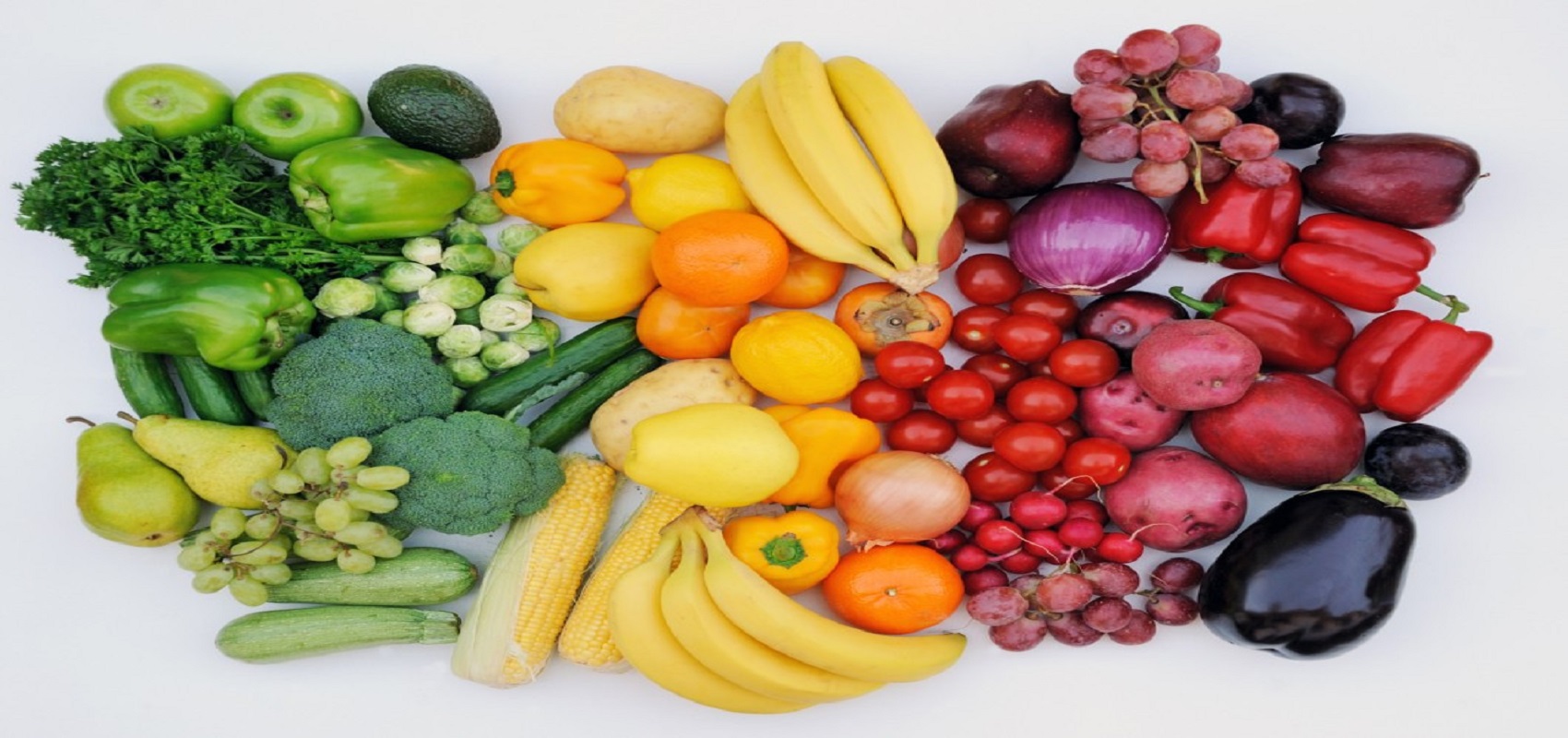
Sostenibili Idee Strumenti are packed with essential nutrients and offer numerous health benefits. As concerns about pollution and resource depletion grow, finding ways to reduce our impact is more urgent than ever. Innovative ideas and practical tools can turn good intentions into real change. highlight how simple shifts and smart solutions make a big difference in building a greener future.
Foundations of Sustainable Thinking
Understanding what drives sustainable thinking is key to making lasting change. It’s not just about saving the environment; it involves a mindset that considers how every decision affects people, resources, and the economy. Sustainable thinking forms the bedrock for ideas that can truly make a difference. It challenges us to look beyond short term gains and focus on lasting value. These principles guide innovation and shape the tools we develop for a better future.
Understanding Sustainability Principles
At its core, sustainability revolves around three main ideas: environmental impact, social responsibility, and economic viability. These principles create a framework that helps us evaluate the long term effects of our actions.
Environmental impact asks us to consider how our choices affect nature. Every resource we use, from water to minerals, has a footprint. Reducing waste, lowering emissions, and conserving energy are all part of minimizing this impact.
Social responsibility emphasizes fairness and well being. It means treating workers ethically, supporting local communities, and ensuring that everyone benefits from progress. Think of it like sharing a harvest fairly, so all can thrive.
Economic viability ensures that sustainable solutions are affordable and practical. If an idea isn’t financially sound, it can’t survive in the real world. Balance is key innovations must be both effective and sustainable economically.
These principles don’t stand separately. Instead, they overlap, creating a balanced approach. True sustainability depends on realizing that every choice influences the environment, society, and the economy at once.
How Ideas Shape Sustainable Practices
Our ideas fuel the development of sustainable solutions. Think of innovation as seeds. When planted in the right soil based on solid principles they grow into practices that can change the world. Good ideas challenge old habits and introduce smarter ways to do things.
Innovative thinking often begins with asking simple questions: How can we do better? and What if we tried this? It invites us to see problems differently, often leading to breakthroughs. For example, rethinking how we manage waste can lead to new recycling methods, fueling circular economies instead of creating landfill heaps.
Creative ideas also inspire new tools. These can be high tech gadgets that reduce energy use, or community programs that foster local pride and cooperation. Challenges become opportunities when ideas turn into action, leading to practical solutions that everyone can adopt.
In the end, sustainability isn’t just about what we do. It’s about how we think. When fresh ideas are grounded in these thoughtful principles, they become the foundation for real change. It’s this combination clear principles and inventive spirit that pushes us toward a more sustainable world.
Practical Tools for Sustainable Action
Transforming good ideas into real change requires the right tools. These practical options make it easier to incorporate sustainability into daily life and work. They help us track progress, share insights, and implement smarter practices. Without them, even the best intentions can fall short.
Technology and Digital Tools
Advances in technology offer a handful of apps, platforms, and devices designed to promote more sustainable choices. Many of these tools act as personal or community assistants, guiding us toward greener habits.
- Energy management apps help households and businesses monitor energy use in real time. They show where to cut emissions and save money at the same time. Imagine seeing your daily energy habits reflected in a simple dashboard and adjusting with a tap.
- Waste reduction platforms teach users how to minimize waste. Some apps provide local recycling information, others track waste habits and suggest alternatives.
- Sustainable shopping apps encourage environmentally conscious purchases. They highlight eco friendly brands and products with lower footprints.
- Smart home devices automate energy savings. Thermostats that learn your schedule or lighting systems that turn off when no one’s around cut waste without sacrificing comfort.
- Renewable energy management systems connect homes and companies to cleaner energy sources. They allow users to choose green options and possibly sell excess energy back to the grid.
These tools turn complex data into simple actions. They make sustainability accessible and practical for everyone.
Community and Collaboration Platforms
Sustainable progress often depends on working together. Online platforms now make collaboration easier than ever. They create spaces where communities share ideas, resources, and success stories.
- Local groups on social media connect neighbors interested in reducing their footprint. They share tips for eco friendly gardening, sustainable cooking, or community cleanups.
- Crowdsourcing platforms gather ideas and resources for larger projects. Whether planting urban gardens or organizing recycling events, these tools help amplify efforts.
- Knowledge sharing networks compile best practices from around the world. They provide advice on everything from reducing water use to participating in local conservation programs.
- Resource exchange apps facilitate sharing tools, equipment, or surplus materials. Instead of buying new, neighbors can exchange what they already have.
- Volunteer coordination platforms organize sustainability projects. They make it easier to find opportunities and gather groups for cleanup events, tree planting, or educational workshops.
Together, these tools foster a sense of community. They remind us that collective action often has the biggest impact.
Measurement and Data Tools
Understanding what works is the foundation of sustainable growth. Measurement tools help us track results and refine strategies. They turn guesswork into facts and give us clear targets.
- Carbon footprint calculators offer an easy way to measure personal or organizational emissions. By seeing the effect of daily activities, people become motivated to change.
- Energy monitoring systems collect real time data on energy consumption. They highlight waste and suggest ways to reduce usage.
- Water usage trackers help households and facilities identify leaks, excessive use, or inefficient habits. Cutting water waste saves resources and lowers bills.
- Sustainability reporting platforms gather and analyze data from multiple sources. They produce reports that show progress and areas that need improvement.
- Data dashboards compile various indicators into one view. Seeing electricity, water, waste, and emissions together helps prioritize actions.
Using data effectively turns sustainability from a vague goal into measurable results. It keeps projects focused, accountable, and on track.
In the end, these tools serve as the bridge between intention and achievement. They turn abstract ideas into tangible steps. They help us see progress and refine our actions. Practical tools make sustainability part of everyday life, no matter how big or small the effort.
Innovative Ideas Driving Change
Innovation fuels the shift toward sustainability. New ideas are transforming how we think about and act on environmental challenges. These breakthroughs push us beyond traditional boundaries, opening roads to a cleaner, healthier future.
Green Entrepreneurship and Startups: Spotlight on Businesses That Prioritize Sustainability from the Start
Many entrepreneurs are choosing to build businesses that put sustainability at their core. These companies focus on reducing waste, conserving energy, and supporting social causes. Instead of adding to pollution, they aim to create positive change.
Take, for instance, startups producing biodegradable packaging or repairing electronics to extend lifespan. These businesses see environmental responsibility as a business opportunity not just a trend. They challenge older industries to rethink their practices.
Some companies even embed sustainability into their entire business model. They use renewable energy, source locally, and prioritize fair labor. This approach shows that profit and planet can go hand in hand. As more people support eco friendly brands, these startups gain momentum.
Green entrepreneurs prove that innovation isn’t always about high tech. It’s about thinking differently and making choices that benefit everyone. These businesses become leaders, inspiring others to follow suit.
Circular Economy Concepts: Ideas That Promote Reuse, Recycling, and Waste Reduction
The idea of a circular economy flips the traditional take make waste model. Instead of throwing things away, it encourages us to find new life for materials. This approach can drastically cut down on waste and lessen pressure on natural resources.
In practice, this means designing products that last longer or are easy to repair. When something breaks, it’s fixed instead of tossed. After use, many items can be recycled into new products. Think of it like a never ending circle, where waste transforms into resources.
Cities and companies worldwide are now adopting these ideas. Some are creating repair cafes where people fix broken appliances. Others develop systems to recycle textiles, turning old clothes into new garments. This cycle reduces garbage in landfills and lowers demand for raw materials.
A new trend is shared ownership of goods. Instead of owning items like tools or appliances, communities rent or borrow what they need. That way, fewer products sit unused or get thrown away.
The core of circular thinking is designing smarter from the start. Products are made to last longer, be reused, or recycled. This approach takes us closer to a world where waste is minimal, and resources are used wisely.
Behavioral Changes and Personal Initiatives: Encourage Small, Everyday Actions That Contribute to Larger Goals
Big change starts with small steps. Each person can play a role by making simple choices every day. These actions may seem minor but add up to real impact over time.
Switching off lights when leaving a room, choosing reusable bags, and reducing water use are easy habits. They conserve resources and lower your carbon footprint. Supporting local farmers or shopping at thrift stores also matters.
Personal initiatives extend beyond habits. People now join community planting days or participate in local cleanups. Sharing skills and resources helps build stronger, more sustainable neighborhoods.
Many find motivation in tracking their progress. Apps that measure your energy savings or water use can make your efforts rewarding. Seeing results encourages you to stay committed.
Encouraging personal responsibility is about recognizing how much power each of us has. When everyone takes small steps, they create a collective influence. It’s a simple truth: changing the world often begins with changing ourselves.
In the end, individual actions matter because they set a standard. They show that everyone can contribute. Whether it’s choosing eco friendly products or planting a tree, these small acts shape a bigger change.
Building a Sustainable Future with Ideas and Tools
Creating a greener world isn’t just about good intentions. It starts with understanding that our ideas and tools must work together. The right mindset combined with effective solutions can push us toward lasting change. Think of this as a chain reaction small steps growing into big impacts.
How Ideas Drive Sustainable Change
New ideas are the seeds of transformation. When we challenge old ways of doing things, we open doors to smarter, greener practices. These ideas often start with simple questions like “Can we do this differently?” or “Is there a better way?” They inspire us to rethink habits and create options that were once impossible.
Innovation doesn’t always mean high tech gadgets. It can mean redesigning how we live and work. For instance, inventing packaging that breaks down naturally or developing services that reduce unnecessary travel. These ideas act as catalysts, inspiring others to follow suit.
When fresh ideas hit the right spot, they can reshape entire industries. Small businesses adopting sustainable materials influence larger corporations. Communities organizing local cleanups spark national movements. It’s hard to ignore how much influence a single idea can have when backed by passion and purpose.
Practical Tools Turning Ideas into Reality
Ideas are just words until they have tools to support them. Practical tools make it easier to put plans into action. These include technology, community platforms, data trackers, and more. They serve as bridges between what we imagine and what we achieve.
Technology helps us monitor energy, waste, and water. With a few taps, we can see where we waste resources and fix it. Apps that suggest eco friendly shopping options guide consumers to better choices. Smart devices adjust lighting and heating, saving energy without fuss.
Community platforms connect people with the same goals. Neighborhoods can share resources, organize volunteer events, or exchange ideas. Knowing others are working toward the same goal motivates us to stay committed.
Measurement tools turn guesses into facts. Tracking carbon footprints and resource use shows us how far we’ve come and what still needs work. Data dashboards gather everything in one place, making it easy to see progress and set new targets.
These tools keep sustainability manageable and real. They clarify what works and push us toward continuous improvement. When ideas meet the right tools, transformation becomes not just possible but inevitable.
The Power of Innovation and Collaboration
Innovation and collaboration go hand in hand. Breakthrough ideas often happen when people come together. Sharing knowledge and resources can create new solutions that no one person could develop alone.
New companies focused on sustainability are proof of this. Their fresh approaches turn waste into useful products, find new ways to reuse materials, or create eco friendly services. These businesses change markets and challenge older habits.
Circular economy ideas are another example. They turn waste into resources. Instead of throwing things away, products are designed to last longer or be recycled. Communities and companies adopting this way of thinking cut waste sharply and save natural resources.
Small personal actions also matter. Each person making simple changes adds up. Switching off unused lights, recycling, or using water wisely can seem minor. But when many act together, these actions can reshape neighborhoods and even cities.
All these efforts new ideas, tools, collaborations, and personal choices weave together into a strong fabric of sustainable growth. They show that progress is born from multiple small changes, working as a whole. Moving forward, the focus becomes how to connect those pieces more effectively, making sustainability a natural part of daily life rather than just a goal for the future.
Building a sustainable future depends on the constant flow of new ideas and the right tools to bring them to life. Innovation keeps evolving, offering solutions to problems we might not even see yet. Each concept, no matter how small, can spark bigger change when supported by effective tools. These advancements make it easier for everyone to participate and see real progress.
The ongoing creation of ideas and tools creates a ripple effect. It keeps hope alive that better options exist. It shows that change is possible when we combine imagination with action. The world won’t stand still, and neither should our efforts to improve it.
Thanks for taking the time to explore these ways to build a greener tomorrow. Keep thinking creatively and using the best tools at your fingertips. The future depends on your willingness to stay curious, adapt, and share what works. Every step forward makes a difference.