Intelligenti Strumenti Vantaggi Dimagrire
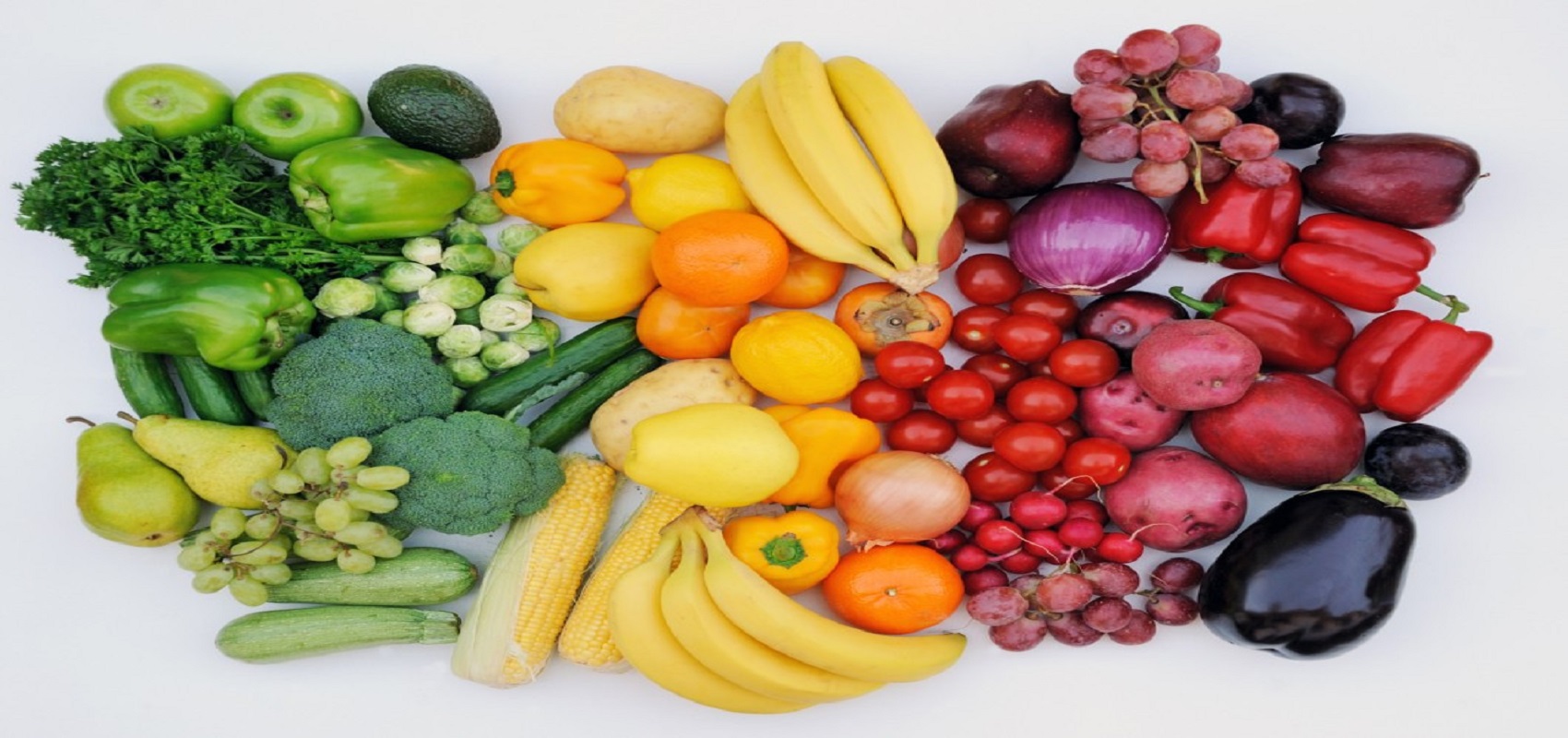
Intelligenti Strumenti Vantaggi Dimagrire are packed with essential nutrients and offer numerous health benefits. They provide the nutrients our bodies need to develop strong bones, healthy muscles, and sharp minds. Understanding how these foods work helps us make better choices for ourselves and our families. explain how a natural diet boosts growth and why it matters every day.
Understanding Natural Foods and Their Power to Support Growth
Focusing on natural foods means choosing options that are less processed and closer to their original state. These foods are packed with nutrients that help the body grow stronger and healthier over time. Eating natural foods isn’t just about avoiding junk food; it’s about fueling your body with what it needs to develop properly. Let’s look closer at how they support growth and wellbeing.
Nutrient Rich Foods and Their Role in Development
Nutrient rich foods are like power packed fuel stations for your body. They contain a wide range of vitamins, minerals, and other nutrients essential for growth. These nutrients support every part of development, from bones and muscles to the brain.
Foods such as fruits, vegetables, nuts, and whole grains supply a broad spectrum of nutrients. For instance, leafy greens and colorful vegetables supply antioxidants that protect cells and promote healing. Lentils, eggs, and dairy are rich in protein, giving your muscles strength and helping repair tissues.
Eating a variety of these foods regularly ensures the body gets what it needs for steady growth. They help fill nutritional gaps that processed foods often miss.
Vitamins and Minerals That Boost Growth
Certain vitamins and minerals stand out when it comes to supporting growth. They act like tiny building blocks, guiding bones, muscles, and organs to develop properly.
- Calcium: Strengthens bones and teeth. Dairy products, leafy greens, and almonds are good sources.
- Vitamin D: Helps the body absorb calcium. Eggs, fatty fish, and sunlight exposure boost levels.
- Iron: Supports oxygen transport in the blood. Red meat, beans, and spinach are rich in iron.
- Zinc: Needed for cell growth and immune health. Meat, nuts, and whole grains contain zinc.
- Vitamin A: Promotes healthy skin and vision. Carrots, sweet potatoes, and eggs provide plenty of vitamin A.
Getting these nutrients from natural foods ensures they are absorbed fully and efficiently. Relying on processed or supplement forms can sometimes lead to gaps or imbalances.
Whole Foods vs Processed Foods in Growth Support
Whole foods are like nature’s original formula. They come in their natural state without added chemicals or sugars. Fruits, vegetables, whole grains, nuts, and seeds fall into this category.
Processed foods, on the other hand, often lose important nutrients during manufacturing. They tend to contain excess salt, sugar, and unhealthy fats, which can hinder growth and overall health. Relying heavily on processed snacks and fast food can contribute to inflammation and nutrient deficiencies.
Choosing whole, unprocessed foods supports better digestion, more energy, and a stronger foundation for growth. They help keep the body balanced and prevent the negative effects associated with processed options.
The Impact of Organic and Local Produce
Organic foods are grown without synthetic pesticides or fertilizers. They often contain higher levels of certain nutrients and fewer harmful chemicals. Eating organic can reduce your child’s exposure to toxins that might impair growth or cause health issues later.
Local produce also tends to be fresher and more flavorful. It is picked at peak ripeness, meaning it retains more nutrients. Buying from farmers markets or local stores supports small growers and tends to give you access to the most natural, nutrient dense foods.
Both organic and local foods reinforce the idea of eating closer to nature. They support a clean diet that delivers the nutrients needed for healthy growth.
How Natural Anti Inflammatories Help Growth and Health
Inflammation is an immune response that can become chronic if unchecked. Over time, it can slow growth and damage tissues. Natural anti inflammatories found in certain foods help keep inflammation under control.
Foods rich in omega 3 fatty acids, such as salmon, walnuts, and flaxseeds, are potent anti inflammatories. Turmeric and ginger also contain compounds that reduce inflammation and support joint and tissue health.
Incorporating these foods naturally boosts overall health, allowing the body to grow without interference from chronic inflammation. Their regular inclusion in a diet grounded in whole, natural foods can make a real difference in how well and how fast growth happens.
Choosing natural foods supports every step of growth, from strong bones to sharp minds. They are not just good options they are essential for building a healthy foundation from the inside out.
The Role of Diet in Enhancing Growth Naturally
Eating well is more than just filling your stomach. It’s about providing the body with the right nutrients to grow strong and healthy. A balanced diet fuels bones, muscles, and tissues, helping children and teens reach their full potential. When you choose natural foods, you give your body what it needs without additives or artificial ingredients. Food becomes a tool to support growth from within, making a real difference in everyday health and development.
Balancing Macronutrients for Optimal Development
Macronutrients are the main building blocks of a healthy diet. They include carbohydrates, proteins, and fats each playing a unique role in growth. Carbohydrates power the body with energy, keeping active children moving and alert. Proteins are the builders, repairing tissues, boosting muscle growth, and supporting a strong immune system. Healthy fats help brain development and hormone production.
Eating the right mix of these macronutrients ensures your body works at its best. Think of it as filling a balanced toolbox, where each tool helps build a stronger, healthier you. For example, a plate with whole grain bread, lean meats, nuts, and fresh vegetables covers all the bases. By focusing on natural sources, these macronutrients stay intact and digested easily, fueling growth more effectively.
Eating Patterns and Growth Spurts
Children go through stages where growth hits rapid peaks. Spurt periods happen when they suddenly grow taller, gain weight, or develop new skills. During these times, consistent eating patterns matter.
Regular meals and snacks keep energy levels stable. Skipping meals can slow growth because the body doesn’t get enough nutrients to support rapid change. When children eat in sync with their natural growth spurts, they tend to develop stronger bones and muscles more quickly.
It helps to think of eating as nurturing a small but powerful engine that needs steady fuel. Natural foods, taken at regular intervals, give the body what it needs during these key times. This consistent approach keeps growth on track without burnout or gaps in the nutrition supply.
The Importance of Hydration and Natural Beverages
Water might seem simple, but it’s essential for growth. It keeps tissues healthy and helps nutrients travel through the body. Staying well hydrated makes digestion smooth and improves nutrient absorption. Plus, water controls body temperature and flushes out waste.
Natural beverages like herbal teas, fresh fruit juices, or infused waters add variety without extra sugar. They replace sugary sodas or artificially flavored drinks, which can interfere with growth and overall health. Proper hydration supports every aspect of development from muscle coordination to brain function.
Encouraging children to drink water regularly and include natural beverages helps build healthy habits. Think of water as the oil that keeps the engine running smoothly, making growth more efficient and consistent.
Meal Timing and Its Effect on Growth
The timing of meals is often overlooked but can significantly influence growth. The body thrives on a regular routine, especially for children in their key growth years. When meals are spaced out evenly, it ensures a steady flow of nutrients and energy inside the body.
Eating at consistent times helps regulate blood sugar levels and keeps hunger balanced. It also prepares the digestive system for peak performance. Skipping breakfast or snacking too late can disrupt this rhythm, reducing the efficiency of nutrient absorption.
Healthy meal timing acts like a schedule for growth and repair. It motivates children to develop disciplined eating habits and makes meal choices more mindful. Natural foods at regular intervals truly support faster, more consistent growth and well being.
Creating a Natural Growth Boosting Diet
Eating a diet based on natural, wholesome foods is one of the best ways to support your body’s growth. It’s about more than just eating healthy occasional meals. It’s about making food choices that give your body the nutrients it needs every day. When you focus on natural foods, you fuel your body to develop strong bones, muscles, and a sharper mind. Here’s how to make your diet work harder for growth, with practical tips and ideas.
Sample Meal Plans Focused on Natural Foods
Designing meals around natural ingredients makes a big difference. The goal is simple: include a variety of fresh, unprocessed foods in your daily routine. For breakfast, think oatmeal topped with fresh berries and a handful of nuts. For lunch, a colorful salad with leafy greens, cherry tomatoes, roasted chicken, and a drizzle of olive oil. Dinner could be grilled fish, steamed vegetables, and whole grain rice.
Snack on fruits like apples or bananas, or pair raw vegetables with hummus. Incorporate nuts and seeds for healthy fats and proteins. These meals and snacks build a strong foundation, giving your body the nutrients it needs to grow.
A good rule is to include a source of protein, healthy fats, and complex carbs in each meal. This balance keeps energy high and supports repair and building. Keep processed foods out of your plans. Instead, stick to these natural options for a steady, nourishing flow of nutrients.
Tips for Shopping Organic and Local
Choosing organic foods reduces your exposure to chemicals and boosts nutrient content. Look for local farmers markets or grocery stores that carry organic options. When shopping, read labels carefully. Pick seasonal produce, which is often fresher and richer in nutrients. Buying directly from local farmers supports small businesses and ensures you get the best quality.
Focus on seasonal fruits and vegetables like peaches in summer or pumpkins in fall. They are picked at their peak, last longer, and taste better. When you buy organic, you nourish your body with fewer pesticides. And when you buy local, you connect with the food’s journey from farm to table. These choices strengthen the quality of your diet and support sustainable farming.
Cooking Methods That Preserve Nutrients
How you cook your food makes a difference. The key is to use methods that keep nutrients intact. Steaming vegetables preserves vitamins and minerals better than boiling. Grilling or baking food maximizes flavor and keeps fats healthy. Pan frying with a small amount of healthy oil is fine but keep it moderate.
Avoid overcooking, especially with delicate vegetables like broccoli and spinach. The longer you cook them, the more nutrients escape. Use quick sautéing or steaming to keep colors bright and textures firm. When preparing meats, choose grilling or broiling over frying. This reduces unnecessary fats and keeps your protein sources as healthy as possible.
Eating foods in their natural state or lightly cooked helps your body absorb more nutrients. It’s like unlocking the full potential of what you eat. This way, you get all the benefits for growth and health without destroying essential vitamins.
Overcoming Common Challenges to Healthy Eating
Sticking to a healthy, natural diet isn’t always easy. Busy schedules, habits, and tempting processed foods can make it hard. One common obstacle is the quick availability of fast food and snacks. To beat this, prepare meals and snacks in advance. Have cut veggies, fresh fruit, or nuts ready at home for when hunger strikes.
Another challenge is not knowing where to shop. Seek out local farmers markets or organic stores in your area. Sometimes, it is worth the extra effort to find fresh, natural options. Planning weekly meals helps you stay on track and avoids last minute temptations.
Budget can also be a hurdle. Buying seasonal and shopping locally often saves money. Focus on staple ingredients like beans, rice, seasonal vegetables, and eggs they are affordable and highly nutritious. Building a habit of cooking at home helps you control what goes into your meals. It keeps processed foods at bay and allows you to choose quality ingredients.
By changing your mindset and gradually adjusting your routine, you can overcome these hurdles. Embracing patience and consistency makes maintaining a natural, growth supporting diet much easier over time.
Long Term Benefits of Natural Nutrition for Growth
Eating naturally isn’t just a quick fix or a fleeting health trend. It’s a way of fueling your body to grow strong and stay healthy over the years. Consistently choosing natural foods shapes a foundation that benefits you well beyond childhood. With each meal, you give your body nutrients that support lasting growth, boost immunity, and foster a positive mindset about food. Let’s look at the long term reasons why natural nutrition matters for growth and overall health.
How Consistent Natural Eating Supports Lifelong Health
When you eat natural foods regularly, it’s like planting seeds for a healthier future. Your body gets used to calling on the nutrients it needs, and over time, this creates habits that influence your health for life. Healthy eating becomes second nature, not something you need to think about constantly.
Consistent consumption of wholesome foods helps reduce the risk of chronic diseases such as diabetes, heart issues, and metabolic problems. Foods like fruits, vegetables, nuts, and whole grains keep your system balanced. They support your body’s natural ability to repair itself and reduce inflammation. Over many years, these benefits accumulate. Your energy stays high, your immune system stays strong, and your body’s tissues remain resilient.
Choosing natural foods every day is like building a safety net. It keeps you from falling into patterns of poor health ever catching up with you. The small, daily decisions you make about eating add up to a lifetime of better health.
Preventing Deficiencies and Boosting Immunity
Natural foods contain a full spectrum of vitamins and minerals, many of which are hard to find in processed options. Over time, these nutrients work together to prevent deficiencies that can stunt growth or cause fatigue.
A diet rich in natural foods supports the immune system, the body’s first line of defense. When your body gets enough vitamins C and D, zinc, and other immune boosting compounds, fighting off infections becomes easier. This is especially important during growth years when the body is most vulnerable.
Consistently eating nutrient dense foods means fewer illnesses and quicker recovery if you do get sick. It also reduces the chance of developing chronic inflammation, which can wear down tissues and impair growth over the long run. Natural diets tend to be less chemically overloaded and more aligned with what the body was designed to eat, making immunity stronger and more reliable.
The Psychological Benefits of Whole, Natural Foods
Eating natural foods supports not just your body but also your mind. When you choose whole, unprocessed options, you learn to trust your hunger and fullness cues. This awareness makes you less likely to turn to emotional or impulsive eating.
A diet filled with fruits, vegetables, nuts, and whole grains can also improve your mood. These foods contain nutrients that support brain health, like omega 3 fatty acids and B vitamins. Over time, this can lead to better concentration, sharper thinking, and a more positive outlook.
For children and teens, this creates a healthier relationship with food. They learn that eating well isn’t about restrictions but about nourishing their bodies. This mindset helps prevent the development of disordered eating patterns and builds confidence in making smarter food choices.
Empowering Kids and Teens to Make Better Food Choices
Introducing children and teens to natural foods early on gives them skills they will carry into adulthood. When they see nutritious foods as enjoyable and normal parts of everyday life, they are more likely to make good choices on their own.
Involving them in grocery shopping and cooking teaches them about the benefits of natural foods firsthand. It makes the process fun and engaging, encouraging them to pick fruits and vegetables over processed snacks.
Building these habits early creates a foundation for lifelong health. It empowers young people to resist bad influences and peer pressure. They develop confidence in their ability to choose foods that support their growth, energy, and mood.
Teaching kids about natural foods turns eating into a positive experience. It cultivates a mindset where nourishing the body becomes second nature, leading to better health and growth for years to come.