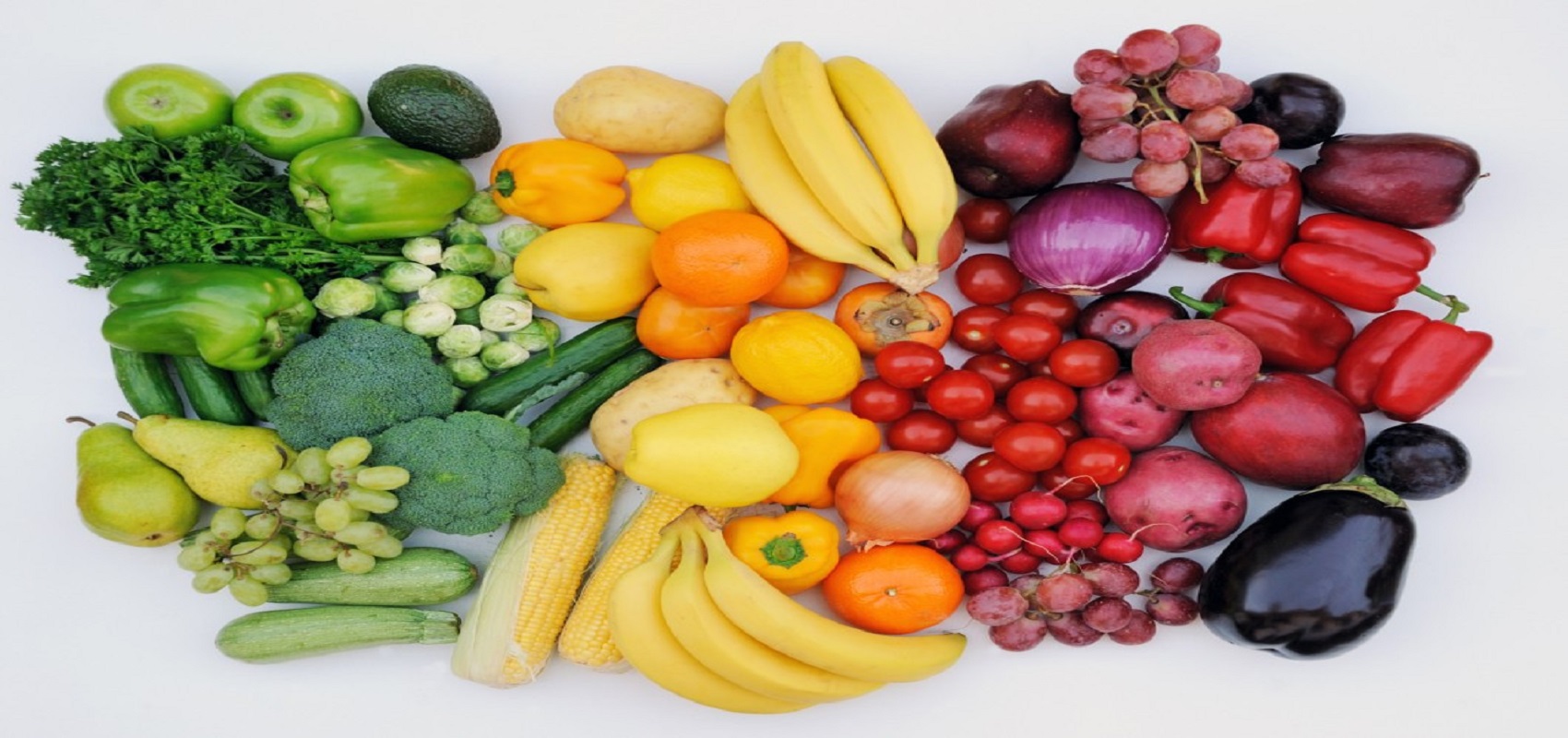
Innovativi Approcci Vantaggi La dieta
Innovativi Approcci Vantaggi La dieta are packed with essential nutrients and offer numerous health benefits. These approaches often focus on tailoring plans to fit individual needs rather than offering one size fits all solutions. As the desire for sustainable and effective habits grows, innovative diets are gaining recognition. They emphasize personal factors and long term benefits, making healthier living more accessible and realistic for everyone.
The Foundation of Modern Dietary Innovations
Recent advances in science and technology have paved the way for diet plans that feel more personalized and effective. These new approaches are built on understanding how our bodies work at a deeper level. They move beyond generic rules, instead tailoring nutrition to fit an individual’s unique biology. This shift is changing how people think about health and making sustainable change easier.
Personalized Nutrition and Genetic Insights
One of the most exciting parts of modern diets is how they use DNA testing to shape nutrition strategies. By analyzing your genetic makeup, experts can identify specific factors that influence your metabolism, nutrient absorption, and even how your body responds to different foods. For example, some people may digest fats more efficiently than carbs, or be more prone to food sensitivities.
Using health data in this way makes dieting smarter. It explains why some diets work well for certain people but not others. When your meal plan aligns with your genetics, it becomes easier to stick to and more effective in the long run. People who personalize their diets often see quicker results and feel more motivated to stay consistent.
This approach is backed by science. Researchers have identified gene variants that influence everything from how we process caffeine to how we metabolize fats. By understanding these details, diets can be customized. The result is a plan that fits your body, not just a general rule that sounds good on paper.
The Role of Technology in Diet Planning
Technology has also become a vital tool in shaping modern diets. Apps, wearables, and online platforms are no longer just for tracking steps or calories they support tailored nutrition. These tools gather real time data about your activity levels, sleep patterns, and even your mood.
With this information, you can see how different foods impact your energy and well being. Some apps suggest meal ideas based on your recent activity or nutrient needs. Wearable devices monitor your heart rate, sleep quality, and physical activity, helping you understand how your body responds to various diets.
The convenience of these platforms means you get instant feedback. If a meal didn’t sit well or if your energy drops unexpectedly, you can adjust your plan immediately. Over time, this creates a cycle of continuous improvement based on your specific responses. It’s like having a personal coach that keeps learning about what works best for you.
Using these tools, you stay motivated and informed. You don’t have to guess if you’re on the right track technology shows you the results clearly. This makes dietary changes feel less like a chore and more like an ongoing conversation with your body.
By using genetics and modern technology, diets become more than just fads they turn into tailored systems that fit the very fabric of your biology. This new way of thinking about nutrition opens doors for better health with less guesswork and more certainty.
Key Benefits of Innovative Diets
Moving away from traditional diets brings several significant advantages. These new approaches focus on individualized needs and work with your body rather than against it. They provide clear benefits that can change how you feel and how your body functions daily.
Enhanced Metabolic Function and Weight Control
Innovative diets are designed to boost your body’s natural ability to burn calories efficiently. By focusing on balanced intake of macronutrients like proteins, carbs, and fats they help keep your metabolism active and healthy. When your body gets the right nutrients in the right amounts, it operates more smoothly.
Think of it like tuning a car. When engine parts work in harmony, fuel consumption improves, and your vehicle runs longer. Similarly, targeting your diet to your specific needs helps prevent unnecessary fat storage and promotes steady weight loss or maintenance.
Balanced diets also keep hunger at bay. When you eat the right combinations of food, your blood sugar stays stable, reducing cravings and energy dips. That means fewer binges and more control over your weight.
People following these tailored plans often see results faster. They report more energy, fewer mood swings, and a clearer sense of how to stay within a healthy weight zone long term. This isn’t about quick fixes but building habits that support a sustainable, healthy body.
Better Mental Focus and Mood Stability
Food impacts the brain just as much as it affects the body. Certain nutrients can sharpen focus, boost mood, and make emotions more steady throughout the day. Innovative diets aim to include these key elements to support mental well being.
For example, meals rich in omega 3 fats help improve brain function and reduce feelings of depression. Including foods high in antioxidants like berries and leafy greens can protect your brain cells from damage. When your diet encompasses these ingredients, you may find your concentration improves and mental fog lifts.
Many find that eating in tune with their body’s natural rhythms results in a more balanced mood. Eating smaller, more frequent meals helps keep blood sugar levels stable. That balance prevents angry swings or fatigue. It’s like giving your mind a steady power supply instead of constant surges.
People who follow personalized diets notice heightened mental clarity and emotional resilience. They feel less overwhelmed and more in control of their thoughts and feelings. These diets do more than nourish the body they support your mental health every step of the way.
Challenges and Considerations in Adopting New Diets
Switching to a new diet isn’t always straightforward. While innovative plans promise personalization and better health, they can come with hurdles. Understanding these challenges helps you approach diet changes more realistically and with a clear mind.
Risks of Unverified Diet Trends
Many new diets promise quick results or magic fixes. Some gain popularity quickly, but lack solid scientific backing. Trying a fad diet without proven evidence can lead to more harm than good. These diets often cut out entire food groups, which might leave your body missing essential nutrients.
For example, some plans restrict carbs too severely or push high dose supplements that haven’t been tested for safety. This can cause deficiencies, dizziness, fatigue, or digestive issues. In worse cases, it can worsen health problems or lead to disordered eating habits.
You should always ask: Is there credible science behind this diet? If not, it’s safer to steer clear. Trust your body and your healthcare provider rather than chasing after popular but unproven trends. Remember, sustainable health comes from balanced, evidence based choices not quick fixes that could do more harm.
Finding Balance and Sustainability
One common mistake when adopting new diets involves making extreme changes. These plans often feel restrictive and unsustainable over time. The key to success lies in creating a diet that you can enjoy daily, not just for a few weeks.
To build a sustainable eating plan:
- Focus on variety. Include different foods to keep meals interesting and balanced.
- Prioritize enjoyment. Eat foods you like while making healthier choices.
- Plan for flexibility. Life is unpredictable, so allow room for treats or social meals.
- Accept that progress takes time. Small, consistent changes add up.
A diet should feel like part of your lifestyle, not a temporary challenge. When the focus shifts from restriction to enjoyment and balance, sticking with it becomes easier. Think of it like adding new colors to your wardrobe. The more diverse your options, the easier it is to find outfits you love and feel comfortable wearing each day.
Another tip is to avoid perfection. Mistakes happen, and that’s part of the process. The goal isn’t to be perfect but to develop habits you can maintain long term. This mindset prevents frustration and makes healthy eating a normal part of your everyday life.
Remember, a diet that’s enjoyable and varied is also easier to stick with when life gets busy. It’s better to have a plan that adapts to your routines than one that’s so rigid it’s impossible to follow. Your health journey should feel empowering, not draining.
Emerging Technologies and Approaches
The future of diet innovation hinges on new tools and discoveries that could fundamentally change how we approach personal nutrition. These advancements move beyond traditional advice and tap into technology and science to create smarter, more effective ways to fuel our bodies. They promise not just incremental improvements but a real shift in how we understand and shape our health through food.
Lab Grown Foods and Alternative Proteins
Imagine a future where meat, dairy, and even some fruits are produced entirely in the lab, free from farms and hefty environmental footprints. Lab grown foods, also known as cellular agriculture, replace traditional farming by growing cells directly into edible products. This method could provide sustainable protein sources that are free from antibiotics and hormones, offering a cleaner choice for health conscious consumers.
For those concerned about the environmental toll of livestock farming, this approach means less water usage, fewer greenhouse gases, and a smaller land footprint. It could make proteins more accessible, especially in areas struggling with food shortages. Although this technology is still developing, its potential to redefine meat and dairy consumption is immense.
In addition to durability and sustainability, lab foods can be customized. Imagine a burger with added omega 3s or tailored nutrient profiles that support specific health goals. As the technology improves, we could see more personalized proteins fitting individual needs, creating a truly new way to nourish ourselves.
AI Driven Meal Planning and Personalized Feeding
Artificial intelligence is already transforming many parts of life, and dieting is no different. Future meal planning apps will become smarter, learning not just your tastes but your unique biology. These platforms will analyze your health data, sleep patterns, activity levels, and even emotional states to suggest meals that optimize your well being.
Picture an app that adjusts breakfast choices based on your mood or plans for the day. If you’re feeling tired, it might recommend a meal rich in antioxidants and healthy fats to boost your energy. If your activity level is high, it may suggest more carbs for replenishment. This kind of real time, adaptive planning makes diet personalized not just in theory but in reality.
AI will also help automate grocery shopping and meal prep. Imagine receiving weekly, curated shopping lists that match your dietary goals and budget, with ingredients delivered to your door. This streamlines healthy living, removing the guesswork and effort that often derail good intentions.
Microbiome Research and Its Impact on Nutrition
One of science’s most exciting discoveries involves the gut microbiome the bacteria living inside us. This ecosystem influences how we process food, absorb nutrients, and even how we feel. As researchers learn more about these tiny organisms, they’re uncovering new ways to improve health through diet.
Future diets will likely include foods designed to support a healthy microbiome. Fermented foods, prebiotics, and probiotics will be tailored to individual needs, helping to restore balance or address specific digestive issues. Better understanding of gut bacteria means we can choose foods that strengthen immune function, improve mental health, and boost metabolism.
Advances in microbiome analysis will make it easier to create personalized probiotic and prebiotic regimens. Your gut’s current state will guide precise recommendations. As a result, your diet will become a more powerful tool for health, directly influencing how your body functions from the inside out.
Nanotechnology and Precision Nutrition
Emerging nanotechnology holds promise for delivering nutrients more effectively. Tiny particles can be incorporated into foods or supplements to target specific cells or tissues. This means nutrients could reach their destination faster and more reliably than ever before.
For instance, nano sized vitamins and minerals might be used to treat deficiencies or optimize performance. These particles can cross cell barriers, improving absorption while minimizing waste. Imagine a supplement that delivers only the nutrients your body most needs at the right time.
This technology opens doors for highly personalized nutrition plans, where the delivery system adapts to your body’s changing requirements. It could make supplements more efficient and safer, reducing the risk of overdose or nutrient imbalances.
As these innovations develop, they will expand how we think about food and health. They turn diet from a set of broad rules into an exact science, guided by science, technology, and individual needs. The future of diet innovation promises to make personal nutrition more precise, effective, and sustainable.
Innovative diets focus on understanding individual needs and using science to guide choices. They offer clearer results by tailoring plans to your body and habits, making healthy living more attainable. By combining genetics with technology, these approaches can boost metabolism, mood, and overall wellness more effectively than traditional methods.
It’s important to seek guidance from health professionals before making big changes. While new methods show promise, not all promises are backed by enough proof. A thoughtful and balanced approach helps ensure the best results.
As science continues to unlock new ways to improve nutrition, staying informed can help you make smarter choices. Personalized, science based diets are a step toward lasting health. Thanks for reading, and consider exploring these new approaches to find what works best for you.