Importanti Utilizzi L\’ambiente
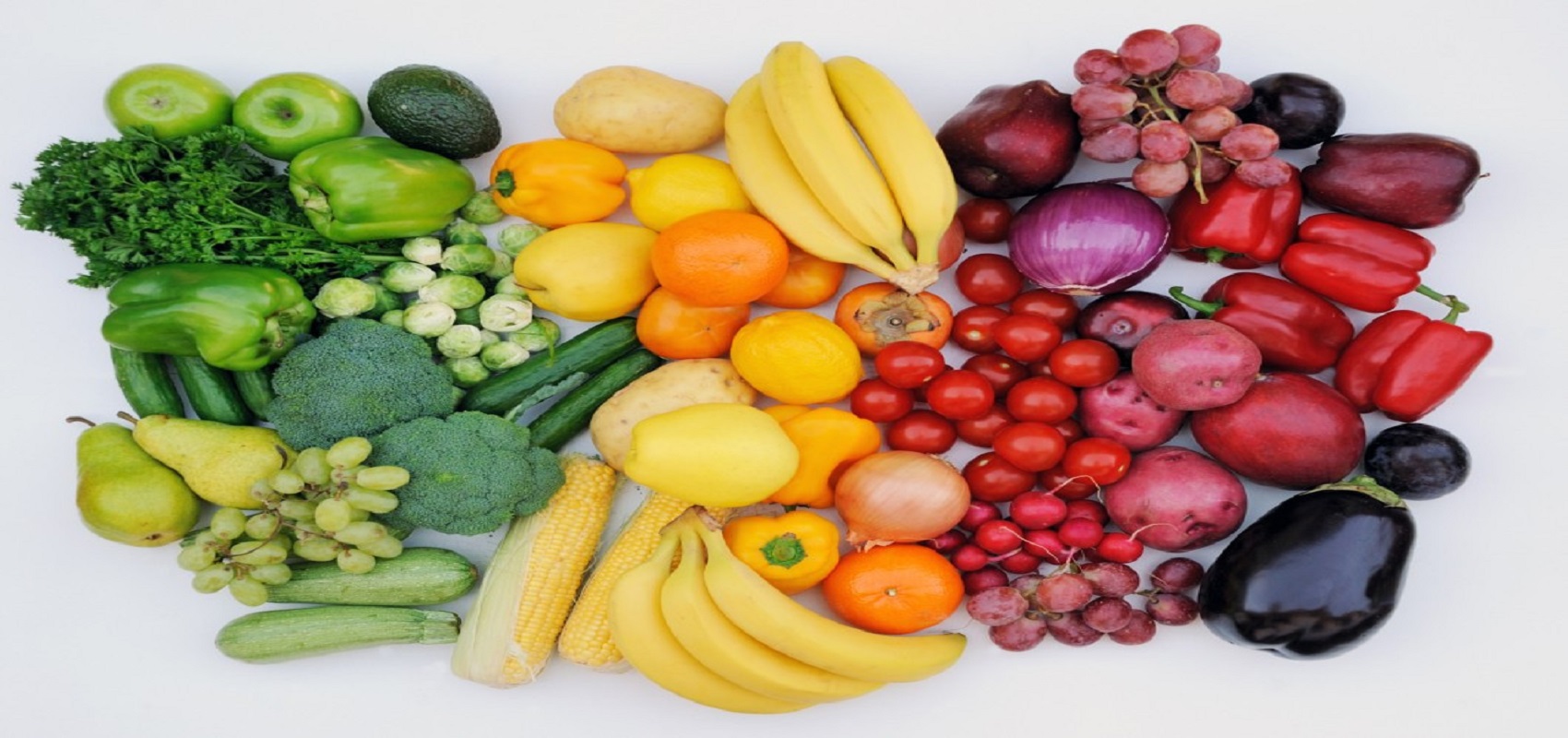
Importanti Utilizzi L\’ambiente are packed with essential nutrients and offer numerous health benefits. It provides everything we need to survive, from clean air and fresh water to food and raw materials. Understanding how we use and depend on the environment helps us see why its preservation matters.
The environment isn’t just about nature; it influences our health, safety, and even our economy. When we use natural resources responsibly, we protect future generations and ensure a healthy planet. Recognizing the key ways we rely on the environment helps us make smarter choices for tomorrow.
Essential Uses of Natural Resources
Our environment provides resources that support every part of human life. These natural gifts not only sustain us daily but also build the foundation for our economy, health, and well being. Understanding their key roles helps us see why protecting these resources is vital for the future.
Forests and Biodiversity
Forests stretch across the planet like vast green lungs, playing a crucial role in keeping our world balanced. They produce oxygen, which we breathe, and help regulate climate by absorbing carbon dioxide. Forests are home to about 80% of all land animals and plants. They support diverse ecosystems that keep nature thriving.
When we cut down trees without planning, the effects are clear. Deforestation reduces habitats for wildlife and releases stored carbon, fueling climate change. Without forests, regions can face more floods, droughts, and soil erosion. Preserving these areas means protecting the air we breathe and the countless species that depend on them.
Water as a Life Source
Water is essential for life itself. Freshwater sources such as rivers, lakes, and aquifers provide water for drinking, farming, and industry. Without clean water, life becomes difficult. It’s easy to take water for granted, but shortages and pollution threaten its availability.
Pollution from factories, agriculture, and cities contaminates our water supplies. Every year, millions of people lack access to safe drinking water. Conserving water means fixing leaks, using it wisely, and keeping it clean. Protecting water sources is a direct way to safeguard health and food production.
Minerals and Soil in Economy
Minerals and soil form the backbone of construction, manufacturing, and agriculture. Minerals like iron, copper, and gold are used in building materials, electronics, and machinery. Rich soils provide the nutrients needed to grow fruits, vegetables, and grains.
However, extracting these resources can harm the land if done irresponsibly. Over mining strips the land of its fertility and causes environmental damage. Responsible mining and land use practices help ensure these resources remain available without destroying the environment. Recycling metals and practicing sustainable farming also extend the life of these vital resources.
Protecting forests, water, and soil supports us all. They help produce food, build homes, generate energy, and keep ecosystems healthy. Using resources wisely ensures we don’t just meet today’s needs but secure them for future generations.
Environmental Functions in Climate Regulation
Our environment does more than just look beautiful; it actively shapes the climate we live in. Forests, oceans, and soil serve as natural regulators by absorbing greenhouse gases, controlling temperatures, and influencing weather patterns. Protecting these areas is not just about preserving nature it’s about keeping the climate stable for ourselves and future generations.
Forests and Carbon Storage
Forests act as mighty carbon sinks. Thanks to the dense greenery, trees absorb carbon dioxide from the air as they grow. This process helps keep greenhouse gases in check, reducing the impact of climate change. When forests are cut down or burned, this stored carbon is released back into the air, accelerating global warming.
Reforestation and afforestation efforts are critical. Planting new trees or restoring damaged forests pulls more CO2 out of the atmosphere. Think of forests as nature’s air filters, continuously cleaning the air and cooling the planet. Protecting these green giants means protecting our climate from rising temperatures and unpredictable weather.
Oceans and Climate Balance
Oceans cover more than 70% of the Earth’s surface and play a key role in regulating climate. They absorb excess heat from the sun, spreading it across vast areas and preventing some regions from becoming unbearably hot. This process helps moderate temperature swings and keeps weather patterns in check.
Oceans also soak up a significant amount of CO2. They act like giant reservoirs, holding nearly a quarter of the human produced emissions. However, this absorption comes with a price. Increased pollution, especially plastic and chemical waste, harms marine life and disrupts this delicate balance.
Carbon absorption leads to ocean acidification, a process that weakens shells of marine creatures and affects entire ecosystems. Protecting oceans from pollution and overfishing is essential. When oceans remain healthy, they continue to buffer the effects of warming and help keep climate changes in check.
Soil and Local Climate
Healthy soil plays a subtle but powerful role in local climate regulation. Rich, well maintained soil retains moisture better, which cools the air around it. This process reduces the risk of heatwaves and makes local weather more stable.
Soil also influences rainfall patterns. In areas with degraded or poor quality soil, there is less vegetation to hold the water. This often results in less rain and dry spells that can lead to droughts. Conversely, when soil is protected and cared for, it supports plant growth that cools the environment and encourages rain.
Practices like cover cropping, reduced tillage, and composting help sustain soil health. These actions not only boost agriculture but also strengthen the environment’s ability to regulate climate locally. Keeping soil healthy is a simple yet powerful way to fight climate extremes and promote more consistent weather.
Together, forests, oceans, and soil form an interconnected web that helps keep Earth’s climate balanced. By safeguarding these natural systems, we help ensure a stable future, where temperature extremes and unpredictable weather are less likely to threaten our lives and livelihoods.
Environmental Uses in Agriculture and Industry
Our environment plays a key role in shaping how we grow food and produce goods. It offers essential resources that support life, yet many of these resources require careful management. Preserving and using them wisely helps maintain soil fertility, water quality, and energy supplies. In this section, we will explore how natural elements are harnessed in farming and industry, and how renewable energy sources keep our environment healthier.
Agricultural Resources and Sustainability
Healthy soil and clean water are the backbone of any good farm. Without rich soil, plants struggle to grow, and without ample water, crops wilt. It’s like trying to cook without ingredients or a stove. When farmers adopt sustainable practices, they protect these resources for future harvests.
Think about methods like crop rotation, cover cropping, and reduced tillage. These techniques help maintain soil health by keeping nutrients in place and preventing erosion. They also encourage soil to hold onto water better, which is especially important during dry months.
Water conservation in farming isn’t just about reducing usage. It means using water efficiently irrigating only when needed and avoiding waste. Keeping water sources clean involves careful management of fertilizers and pesticides, so they don’t seep into rivers or groundwater. When we preserve soil and water, we secure the foundation of farming and prevent the long term damage that can cost farms their future.
Good farming depends on respecting nature’s limits. Protecting these resources helps grow food without damaging the land or polluting the water. Farming becomes more sustainable when we focus on soil health and water conservation as core principles. This approach benefits farmers, communities, and the environment alike.
Renewable Energy from Environment
Renewable energy sources are free gifts provided by nature. The sun shines without end, the wind blows across fields day and night, and water flows continuously in rivers and oceans. These sources can power homes, factories, and vehicles while lowering harmful emissions.
Solar power, for example, captures sunlight with panels and converts it into electricity. It’s a clean source that produces no pollution during operation. Wind turbines spin in the breeze, turning wind into energy. They are often placed where wind flows strongest, such as along coastlines or open plains. Hydropower harnesses moving water, using dams or turbines in rivers to generate electricity.
Using these renewable sources offers clear benefits:
- They produce energy without depleting resources.
- They reduce pollution and greenhouse gases.
- They help communities cut energy costs over time.
- They lessen reliance on imported fuels, making nations more self sufficient.
Imagine a world where farms and factories run on sunshine and wind instead of oil and coal. Such a shift would reduce climate change, protect air quality, and boost local economies. Renewable energy is not just a necessity but an opportunity to build a cleaner, healthier future.
In industry, these sources power everything from manufacturing plants to transportation systems. As technology advances, renewables are becoming more affordable and widespread. They prove that you don’t need to harm the environment to keep the lights on and goods moving. Instead, nature’s own resources can fuel growth and progress with little environmental cost.
Protecting soil and water sustains agriculture and keeps ecosystems healthy. Using renewable energy replaces harmful fuels and cuts pollution. These natural resources are not just gifts. They are the foundation for a resilient and sustainable way of living that benefits everyone today and tomorrow.