Essenziali Idee La pelle La dieta
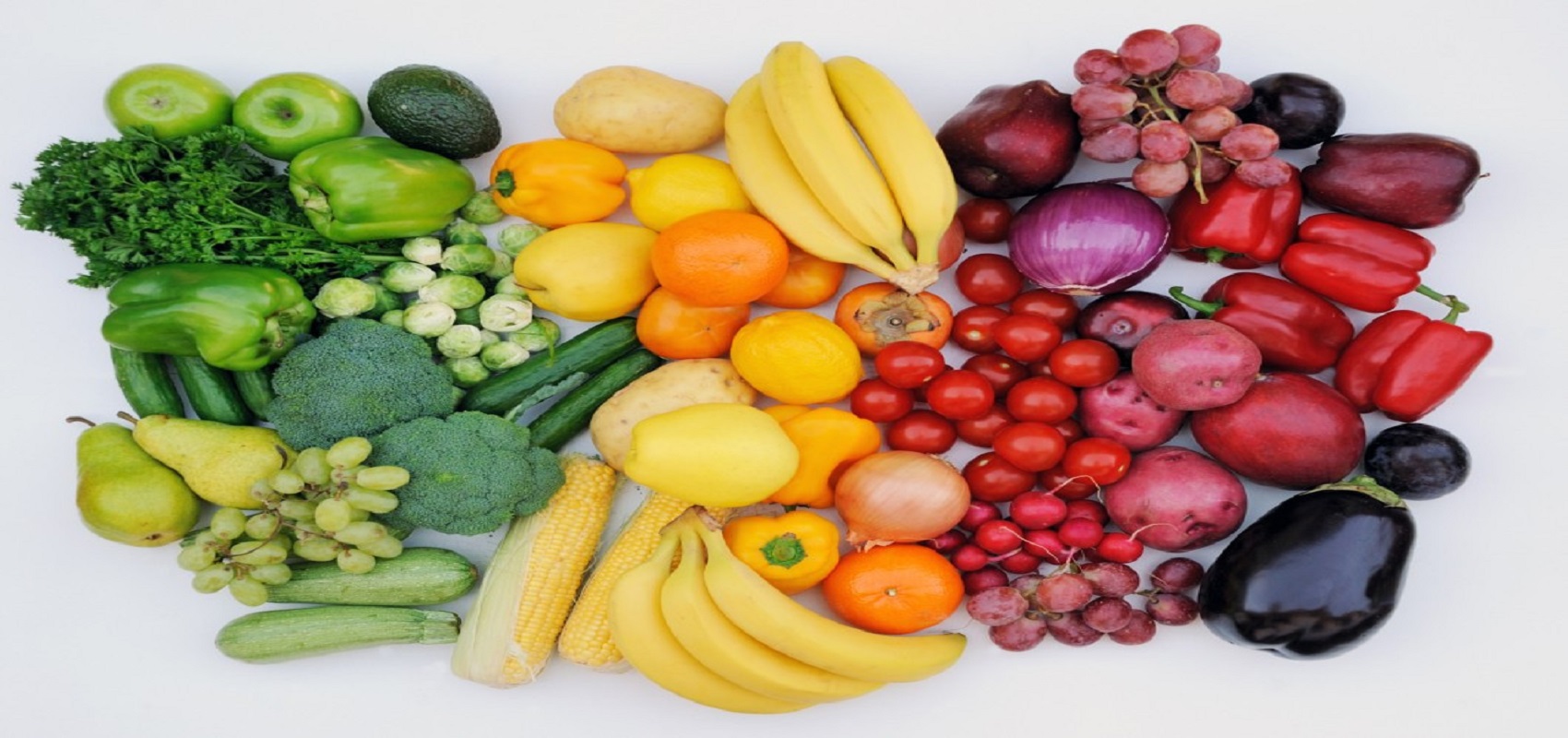
Essenziali Idee La pelle La dieta are packed with essential nutrients and offer numerous health benefits. But what you put into your body isn’t the only piece of the puzzle. Your skin, diet, and overall wellness are tightly connected. Small choices in what you eat can make a big difference for how your skin looks and feels each day. explore simple ideas to help you improve your skin through the right foods and habits, creating a natural glow from the inside out.
Understanding the Connection Between Skin and Diet
Your skin reflects what’s happening inside your body. What you eat impacts the texture, color, and health of your skin more than many realize. Making mindful choices in your diet can give your skin a natural glow and help it stay strong against damage. Let’s walk through how food influences skin health, the importance of hydration, foods that can harm your skin, and nutrients that boost its appearance.
How Food Affects Skin Health
Food acts like fuel for your skin. When you eat nourishing, balanced meals, your skin gets the nutrients it needs to repair itself and stay resilient. Conversely, a diet high in processed or sugary foods can cause inflammation. This may lead to breakouts, dullness, or redness. Think of your skin as a mirror what you feed it shows clearly. Fresh fruits and vegetables provide antioxidants that fight off free radicals, the particles that cause premature aging. Healthy fats, like omega 3s, help keep your skin supple and reduce inflammation. Proteins supply building blocks like collagen, crucial for firmness and elasticity.
The Role of Hydration in Skin Wellness
Keeping your skin hydrated is one of the simplest ways to enhance its appearance. Water helps maintain elasticity, smoothness, and brightness. When you don’t drink enough, your skin can look dull, feel dry, and even develop fine lines. Hydration isn’t just about drinking water; it’s about maintaining enough fluids throughout the day. Herbal teas, fresh fruit juices, and foods with high water content like cucumbers and melons also support hydration. Think of water as the oil in a car engine without enough, everything starts to falter. Proper hydration ensures your skin cells stay plump and healthy, preventing sagging and promoting a radiant glow.
Common Dietary Factors That Harm Skin
Certain foods can do more harm than good when it comes to skin health. High sugar snacks, white bread, and fried foods can trigger inflammation within the body. That inflammation shows up outwardly as acne, redness, or signs of aging. Excessive dairy may also contribute to breakouts for some people, especially those prone to acne. Alcohol can dehydrate your skin and impair its natural barrier. Processed snacks and fast foods often lack the essential nutrients your skin needs, turning your glow dull and lifeless. Cutting back on these foods doesn’t mean missing out; it means replacing them with options that nourish your skin from the inside.
Nutrients That Boost Skin Vitality
Certain nutrients act directly on your skin’s health. Including these in your diet can give your skin a major boost:
- Vitamin C: Known for its role in collagen production, it helps keep skin firm and elastic. Citrus fruits, strawberries, bell peppers, and broccoli are rich sources.
- Vitamin E: An antioxidant that protects skin cells from damage. Nuts, seeds, and plant oils are top providers.
- Omega 3 Fatty Acids: They reduce inflammation and improve moisture retention. Found in fatty fish like salmon, walnuts, and flaxseeds.
- Zinc: Supports skin healing and reduces inflammation. Meat, pumpkin seeds, and chickpeas are good sources.
- Biotin: Helps strengthen skin and nails. Eggs, almonds, and sweet potatoes are great options.
Incorporating these nutrients into your meals can help keep your skin in top shape. Think of them as nature’s skin loving ingredients, working behind the scenes to give you that healthy glow.
Essential Ingredients for Healthy Skin
Eating well is only part of the story. The right ingredients in your diet can make a real difference in the look and feel of your skin. When your body gets the nutrients it needs, your skin responds with a natural glow, firmness, and resilience. Here are the main ingredients that support healthy skin and how they work their magic.
Natural Oils and Their Benefits
Natural oils are a treasure trove for your skin. They are packed with healthy fats that nourish your skin from the inside out. These oils help improve flexibility, lock in moisture, and reduce inflammation. Incorporating foods rich in natural oils can be simple and delicious.
Popular sources include:
- Extra virgin olive oil
- Coconut oil
- Avocado
- Nuts and seeds
These oils provide omega 3s and other healthy fats that keep your skin soft and elastic. Unlike heavily processed products, natural oils deliver essential fatty acids directly to your skin cells, helping to fight dryness and itchiness. Think of these oils as your body’s built in moisturizer, sitting quietly in your meals to keep your skin smooth and supple.
Vitamins and Minerals for a Glowing Complexion
Vitamins and minerals are the building blocks of healthy skin. They support everything from collagen production to healing and protection. Each one plays a unique role, making it important to include a variety of colorful and nutrient dense foods.
Key vitamins and minerals include:
- Vitamin C: Promotes collagen, which keeps skin firm and plump. Citrus fruits, strawberries, and bell peppers are rich sources.
- Vitamin A: Aids skin repair and renewal. Carrots, sweet potatoes, and dark leafy greens are high in this vitamin.
- Vitamin E: Acts as a shield against environmental damage. Nuts, seeds, and vegetable oils are excellent options.
- Zinc: Supports healing and reduces inflammation. Whole grains, pumpkin seeds, and lean meats are good sources.
- Selenium: Combats oxidative stress. Brazil nuts are one of the best sources.
Incorporating these nutrients regularly helps your skin repair itself faster and defends against environmental stressors that dull your glow.
Antioxidants and Their Protective Power
Think of antioxidants as your skin’s personal bodyguards. They fight off free radicals harmful particles that damage your skin cells and accelerate aging. The best part is, many antioxidants are found naturally in everyday foods.
Foods rich in antioxidants include:
- Berries like blueberries, raspberries, and blackberries
- Dark chocolate
- Green tea
- Spinach and kale
- Pomegranate
Adding a variety of these to your meals helps neutralize the free radicals that cause dullness, wrinkles, and discoloration. Antioxidants support your skin’s natural ability to repair itself and stay youthful longer.
Avoiding Harmful Chemicals in Skincare
Even the best diet can fall short if your skin is exposed to harsh chemicals. Many skincare products contain ingredients that can strip moisture, cause irritation, or even lead to long term damage. Reading labels is key.
Look out for:
- Artificial fragrances and dyes: These can irritate sensitive skin and cause redness.
- Sulfates: Found in many cleansers, they might dry out your skin or disrupt its natural oils.
- Parabens and phthalates: Sometimes linked to hormonal disruptions, these chemicals should be avoided.
- Alcohol: It can strip your skin of its natural moisture, leading to dryness and irritation.
Choosing gentle, natural products and sticking to simple routines helps your skin stay balanced and healthy. The goal is to nourish your skin with safe ingredients and avoid anything that strips or harms the outer layer.
Focusing on these core ingredients and avoiding common irritants provides a solid foundation for vibrant, healthy skin. When your plate is full of nourishing fats, bright vitamins, protective antioxidants, and chemical free choices, your skin shows the results. Bright, soft, and resilient natural beauty results from what you put into your body day after day.
Practical Diet Tips for Better Skin
Eating well goes beyond just satisfying your hunger. What you choose to put on your plate can make a big difference in how your skin looks and feels. Small changes can lead to a clearer, smoother, and more glowing complexion. Here are some practical tips on how to shape your diet for healthier skin.
Balanced Meals for Skin Health
A balanced diet provides the foundation for healthy skin. Think of your meals as fuel for your body’s largest organ. When you include a variety of nutrients, your skin benefits from the full spectrum of what it needs. Focus on meals that combine lean proteins, healthy fats, and plenty of colorful vegetables.
Try to fill your plate with:
- Proteins like chicken, fish, or legumes to help rebuild skin tissue.
- Healthy fats such as avocados, nuts, and olive oil to keep skin flexible and moist.
- Fruits and vegetables rich in vitamins and antioxidants to fight off aging and heal damage.
Consuming balanced meals regularly helps prevent nutrient gaps. Your skin responds by appearing more luminous, plump, and firm. Avoid skipping meals or relying on processed snacks. Your skin needs consistent nourishment to stay bright and healthy.
Foods to Prioritize and Limit
Choosing the right foods is like giving your skin a little extra help every day. Prioritize foods that promote clarity and radiance. Limit those that lead to inflammation or dullness.
Foods to prioritize:
- Fruits such as berries, oranges, and papayas that are packed with antioxidants and vitamin C.
- Vegetables like spinach, carrots, and peppers bursting with nutrients.
- Whole grains like oats and brown rice that improve digestion and stabilize blood sugar.
- Fish rich in omega 3s, like salmon and mackerel, to reduce inflammation.
- Nuts and seeds, especially sunflower or pumpkin seeds, for healthy fats and zinc.
Foods to limit:
- Sugary snacks like candy, cookies, and sodas increase inflammation.
- White bread and refined grains that cause blood sugar spikes.
- Fried and processed foods that drain nutrients and promote breakouts.
- Excessive dairy products may lead to acne in some people.
- Alcohol, which dehydrates skin and hampers repair.
Making small swaps like replacing a candy bar with a handful of berries can lead to noticeable improvements over time.
Lifestyle Choices That Affect Skin
Skin health isn’t only about food. Lifestyle habits have a direct impact on how your skin ages and recovers. Prioritize these choices for better results:
- Get enough sleep. Rest gives your skin a chance to repair and renew. Aim for seven to nine hours of quality sleep each night.
- Manage stress. Chronic stress increases inflammation, which can trigger breakouts or dullness. Practice deep breathing or meditation.
- Limit sun exposure. Ultraviolet rays cause skin damage and aging. Use sunscreen daily, even on cloudy days.
- Avoid smoking. Tobacco restricts blood flow, making skin look dull and losing its elasticity.
- Exercise regularly. Physical activity boosts circulation, delivering nutrients and oxygen to skin cells.
By adopting these habits, you give your interior health a boost, which naturally shows on the outside.
Creating a Daily Skincare and Diet Routine
Consistency is key. Developing a routine turns healthy habits into a natural part of your day.
Start with simple steps:
- Eat a colorful breakfast rich in antioxidants and healthy fats.
- Prepare meals ahead of time that include lean proteins, vegetables, and whole grains.
- Stay hydrated by drinking water throughout the day, aiming for about eight glasses or more.
- Include skin loving ingredients like nuts, berries, and oily fish in your daily meals.
- Track your intake to spot gaps or trends that could improve.
Combine this with a straightforward skincare routine gentle cleansing, moisturizing, and sun protection. When your diet and skincare work hand in hand, your skin transforms. In time, you’ll notice a clearer, firmer, and more vibrant complexion that reflects the care you put into your daily habits.
Final Thoughts: Building a Holistic Approach to Skin and Diet
Taking care of your skin is more than just applying creams or washing your face. It’s about establishing a lifestyle that feeds your body from the inside out. When your diet centers on nourishing foods, natural ingredients, and healthy habits, your skin responds with a natural glow and strength. Creating this balance isn’t about quick fixes; it’s about making small, consistent choices that add up over time.
Connecting Body Wellness with Skin Health
Your skin acts like a mirror reflecting your overall health. When your body is functioning well getting enough sleep, staying hydrated, managing stress your skin looks better. Nourishing foods provide the building blocks your skin needs. Think of your body as a well oiled machine where each part supports the other. Healthy eating supports sleep quality and stress reduction, both of which impact skin’s appearance. It’s all intertwined.
Prioritizing Nutrient Rich Foods
Focus on foods packed with vitamins, minerals, and antioxidants. Bright fruits, colorful vegetables, omega rich fish, and nuts deliver essential nutrients your skin craves. Keep processed and sugary foods to a minimum because they can slow down your skin’s healing process and cause inflammation. Instead, fill your plate with whole, natural foods that enhance your skin’s natural beauty.
Maintaining a Consistent Routine
A daily routine that includes drinking enough water, eating balanced meals, and avoiding harmful chemicals creates the foundation for healthy skin. Remember, small habits matter: swap a processed snack for fresh fruit, add a handful of seeds to your salad, take time to relax and reduce stress. Over time, these choices become second nature, shaping your skin’s health and appearance.
Adopting a Long term Perspective
Building a holistic approach isn’t about looking for instant results. It’s about trusting the process. Healthy skin comes through consistency in what you eat, how you hydrate, and how you treat your body daily. As you stick with these habits, you’ll notice your complexion becoming brighter, smoother, and more resilient.
A Simple Mindset Shift
Think of your skin as a garden that needs nourishing soil, water, and care. Giving it good soil means feeding it with wholesome, nutrient rich foods. Water keeps it hydrated, and regular care like avoiding stress and sun damage protects it from harm. When you approach skin health this way, it becomes less about fleeting trends and more about building lasting habits.
Building a skincare routine grounded in good food, hydration, and healthy habits creates a foundation that supports your wellbeing in many ways. When your body’s in tune, your skin naturally shows it. No matter your age or skin type, this approach leads to a healthier, more vibrant you inside and out.
A healthy diet is the foundation of good skin. When you focus on nourishing foods, your skin rewards you with a natural glow and extra strength. Simple choices like eating more fruits, vegetables, and healthy fats can make a big difference over time. Pairing good eating habits with hydration and avoiding harmful chemicals keeps your skin looking fresh and vibrant.
Sticking to consistent routines helps your skin repair and renew itself. Think of your diet as a way to water your skin’s health, allowing it to shine from within. When you care for your body this way, great skin becomes an effortless part of who you are. Keep building on these habits, and you will see your natural beauty flourish.