Essenziali Benefici Pratiche Il corpo
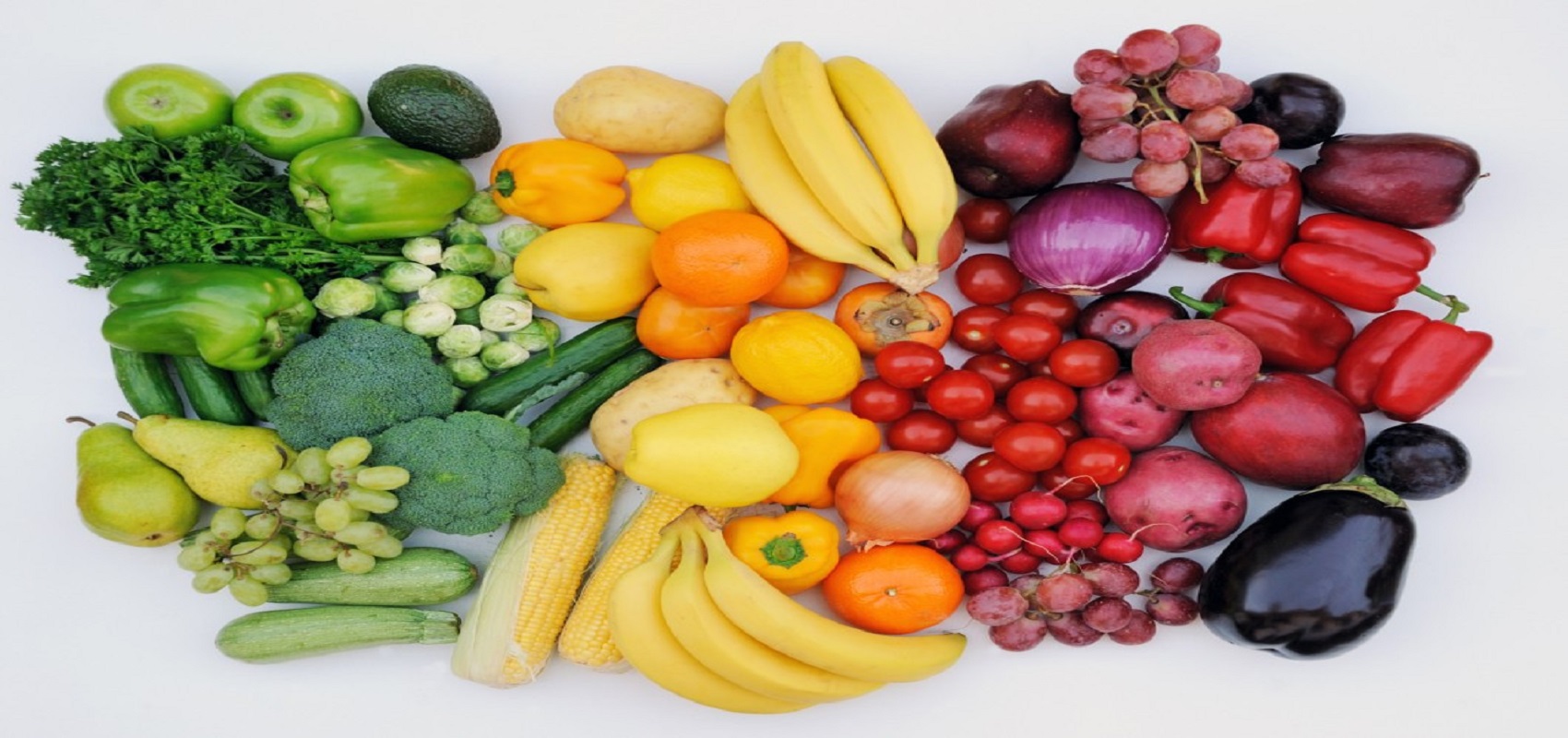
Essenziali Benefici Pratiche Il corpo are packed with essential nutrients and offer numerous health benefits. These methods often reflect the culture, environment, and beliefs of their time. They shape how people care for their skin and see beauty.
Many ancient routines focus on natural ingredients and simple techniques. They were developed through trial, error, and observation. Knowing the effects of these practices helps us understand how they influenced modern skincare.
Understanding these traditional methods isn’t just about history. It reveals how past generations approached skin health and beauty. It also shows how long lasting cultural ideas about skin still influence us today. This awareness helps us make better choices for our skin now and in the future.
Historical Roots of Skin Care
Long before today’s skincare products hit the shelves, ancient civilizations had already developed their own methods for caring for the skin. These early routines weren’t just about appearance they reflected deeper beliefs about health, beauty, and even spiritual well being. Their use of natural ingredients and specific techniques laid the foundation for many modern practices we see today.
Ancient Egypt and the Art of Preservation
Egyptians valued smooth, clear skin as a symbol of beauty and vitality. They believed that maintaining healthy skin was essential for both appearance and health. To achieve this, they turned to the natural resources around them, using ingredients like honey, olive oil, and myrrh. Honey was prized not only for its sweetness but also for its antibacterial properties, helping wounds heal and skin stay clean. Olive oil served as a moisturizer, rich in antioxidants to protect against environmental damage. Myrrh, a resin from the frankincense tree, was used in rituals and skincare for its healing qualities.
Egyptians also developed methods to brighten and smooth the skin. They often applied exfoliating pastes made from crushed alabaster or milk and used scented oils wrapped in linen for massages. These rituals often carried cultural significance, symbolizing purity and connection to divine forces. Wealth and status were sometimes displayed through elaborate skincare routines involving fragrant oils and cosmetics.
Greek and Roman Beauty Rituals
Greeks and Romans shared a strong appreciation for beauty that extended to their belief in skin care. They saw a healthy, glowing complexion as a sign of virtue and vitality. For this reason, their routines often included bathing with oils, scrubbing away dead cells, and using herbal remedies to improve skin tone.
Greeks popularized the use of olive oil and herbal mixtures as part of daily cleansing rituals. They rubbed themselves with oil after bathing, which served as a moisturizer and a way to enhance their natural glow. Scrubs made from ground oats or sand were common, helping to slough off rough patches and promote smoothness. They also used herbal infusions, like rosewater and chamomile, to soothe and refresh the skin.
Romans took these practices further with elaborate baths and massages. Their luxurious baths often included mineral rich waters, while their use of perfumed oils was both an act of cleansing and social display. For Romans, skin care was intertwined with social status and personal grooming, shaping the way they approached beauty as a reflection of wealth and refinement.
Asian Traditions and Herbal Remedies
Across Asia, centuries old practices focus on harmony between mind, body, and skin. Traditional Chinese medicine, Japanese skincare, and Indian Ayurveda all emphasize natural herbs, rice, and water in their routines.
In China, herbal ingredients such as ginseng, green tea, and pearl powder have been used to boost skin vitality. These ingredients contain antioxidants that help fight free radicals and nurture the skin from within. Rice and rice water are also staples, known for their gentle exfoliating effects and ability to brighten dull skin. Rice water, rich in minerals and vitamins, has been used for centuries in facial cleansers and rinses to smooth and clarify the complexion.
Japanese skincare highly values rice fermentation, which creates products that brighten and smooth the skin. The tradition of using rice bran and rice water has deep roots in their culture, symbolizing purity and renewal.
In India, Ayurveda offers a vast array of herbal remedies for skin health. Ingredients like turmeric, neem, and sandalwood are used for their anti inflammatory and healing properties. Many Indian skincare rituals involve oil massages with coconut or sesame oil, believed to detoxify the skin and improve its texture.
All these practices share a core belief: true beauty stems from balance and harmony within. Natural ingredients, practiced with intention, continue to influence skincare routines today, linking the ancient past to modern beauty.
This summary offers a vibrant glimpse into the worlds of ancient Egyptians, Greeks, Romans, and Asian cultures, each shaping the earliest ideas of skincare with natural ingredients and ritual. Their methods remind us that caring for the skin is an age old tradition, rooted in nature and tradition.
Key Ingredients and Their Effects
Traditional skin care relies heavily on natural ingredients that have been used for centuries. These ingredients aren’t just random; they carry specific benefits that have stood the test of time. Understanding these core components helps us see why ancient cultures prioritized certain herbs, oils, and minerals for their skin routines.
Natural Oils and Their Benefits
Natural oils form the backbone of many traditional skin treatments. They are rich in nutrients that nourish and heal the skin from within. Oils like sesame, coconut, and olive each offer unique qualities that promote skin health.
- Sesame oil is packed with antioxidants and fatty acids. It acts as a gentle moisturizer and helps protect the skin from environmental damage. Its warming properties make it ideal for soothing dry or irritated skin.
- Coconut oil is celebrated for its antibacterial qualities. It keeps the skin clean and supports healing cuts or blemishes. Its deep moisturizing effect makes it suitable for all skin types, especially dry or sensitive skin.
- Olive oil has been a staple in Mediterranean routines for centuries. It’s loaded with antioxidants that fight free radicals, aiding in skin repair. Olive oil also provides a soft, elastic feel, helping prevent signs of aging.
These oils aren’t just about hydration; they also help repair and strengthen the skin barrier. Imagine them as nature’s personal treatments, working silently yet powerfully to keep your skin resilient.
Herbal Extracts and Plant Based Remedies
Herbs are the heart of many traditional routines. They soothe, heal, and tone the skin, often working in harmony with other ingredients. Some herbs have been prized for centuries and remain popular today.
- Aloe vera is a universal healer. It’s cool, soothing, and anti inflammatory. Aloe calms irritated skin, reduces redness, and helps wounds heal faster. It’s like a natural bandage for your skin.
- Neem has long been used in Indian skincare. It fights bacterial infections and reduces signs of inflammation. Neem also supports the skin’s immune system, making it stronger over time.
- Turmeric carries anti inflammatory and antioxidant powers. It brightens the complexion, diminishes dark spots, and fights off bacteria that cause breakouts. Its warm, golden hue has inspired its use in beauty rituals for centuries.
These herbal remedies work by calming the skin, reducing damage, and encouraging a natural glow. They’re often used in masks, ointments, or infused oils simple, effective, and rooted in tradition.
Mineral Components in Traditional Skin Care
Minerals add a layer of detoxification and renewal in traditional routines. Their natural compositions help draw out impurities and restore balance.
- Clay and mud are ancient pore cleansers. They absorb excess oil, dirt, and toxins, leaving the skin refreshed. Different types of clay target specific concerns, like oily skin or acne prone skin.
- Mineral rich waters found in springs have been used for healing purposes for thousands of years. These waters contain elements like sulfur, magnesium, and calcium that boost circulation, reduce inflammation, and promote skin renewal.
- Pearl powder is another mineral rich traditional ingredient. Used in Asian skincare, it’s believed to brighten the skin, smooth fine lines, and support overall radiance.
Minerals act as natural detoxifiers, pulling out impurities and providing the skin with precious nutrients. Think of them as nature’s deep cleaning tools, helping restore clarity and vitality.
In essence, what makes these ingredients special is their deep connection to cultural practices. They aren’t just applied to the skin; they carry stories and beliefs rooted in centuries of tradition. Whether nourishing, soothing, or purifying, these ingredients continue to shape skin care routines that emphasize harmony with nature.
The Effects of Traditional Practices on Skin Health
Traditional skincare methods are more than ancient routines they influence how our skin ages, heals, and responds to environmental stress. When used correctly, these practices can bring real benefits. However, they also carry risks that shouldn’t be ignored. Understanding both sides helps you make smarter choices for your skin.
Positive Effects on Skin Aging and Texture
Many natural ingredients from old recipes have the power to slow down signs of aging. They work by boosting elasticity, firming the skin, and making it feel smoother. For example, oils like olive and sesame are packed with antioxidants. These antioxidants fight free radicals, which cause wrinkles and age spots. Using these oils regularly can give your skin a more youthful, glowing look.
Herbs like turmeric and ginseng don’t just brighten the skin they help in reducing fine lines and improving skin firmness. Rice water, used in Japanese routines for centuries, can gently fade dullness, making the skin appear brighter and more even. Over time, consistent use of these ingredients can lead to a more elastic, resilient complexion that looks years younger.
In addition, exfoliating pastes made from natural powders and gentle scrubs help smooth rough patches. Removing dead skin cells reveals a softer surface, encouraging new, healthy skin to grow. It’s like giving your skin a fresh start, promoting a clearer, more radiant appearance with less effort.
Healing and Skin Condition Improvements
Traditional remedies have long been used to treat skin issues such as acne, scars, and pigmentation. Many herbal ingredients contain healing properties that calm inflammation and support tissue repair. Aloe vera, for instance, soothes irritated skin and speeds up healing of wounds and scars. It reduces redness and prevents scars from forming as pronounced.
Neem, a staple in Indian skincare, fights bacteria linked to breakouts. It minimizes inflammation and helps regulate oil production, often clearing up skin over time. Turmeric’s anti inflammatory power can diminish dark spots and even out skin tone, especially when combined with other calming herbs like sandalwood.
These remedies don’t just mask skin issues; they work beneath the surface to support the body’s natural healing process. Consistent use fosters healthier skin, reducing the appearance of scars and hyperpigmentation. Since many of these ingredients also contain antioxidants, they help protect the skin from future damage, keeping it healthier longer.
Risks and Limitations of Traditional Methods
While traditional practices can improve skin health, they aren’t perfect. Some ingredients may trigger allergic reactions, especially if your skin is sensitive or if products aren’t prepared properly. For example, certain herbal extracts or mineral clays can cause red, itchy patches or irritation if used excessively or if your skin is prone to allergies.
Contamination remains a concern. Natural ingredients like herbs and oils need to be sourced and stored correctly. Without proper handling, they can harbor bacteria or fungi, potentially causing more harm than good. Outdated methods or homemade products sometimes lack proper hygiene standards, increasing the risk of infections.
Some traditional practices are based on old beliefs that don’t hold up today. For example, using heavy mineral oils or certain unrefined substances might clog pores or cause breakouts. Applying thick clay masks too often can strip natural oils, leaving the skin dry or irritated. It’s important to recognize that not all natural ingredients work well for every skin type. What heals one person may harm another.
Ultimately, while these routines can offer benefits, they also come with limitations. Educating yourself about proper ingredients, sourcing, and application methods is key. Modern skincare can incorporate the best from tradition while avoiding potential pitfalls, giving you a safe, effective approach to skin health.
Bridging Tradition and Modern Skin Care
Today, many skincare brands draw on ancient wisdom to create products that feel both natural and effective. This blend of old and new isn’t just about marketing; it’s a real effort to honor centuries of knowledge while adding modern science. Think of it as a bridge that connects the practices of the past with the innovations of today, giving us skin care that’s rooted in authenticity but built for today’s needs.
Modern Products Inspired by Tradition
Several brands have found success by turning traditional ingredients into modern skincare remedies. These products often come with a story, a connection to a culture, or a natural tradition. They highlight how old practices can become relevant again in a way that fits busy lifestyles.
Some of the most well known include:
- Kiehl’s: Known for using ingredients like yarrow, herbal extracts, and natural oils. Their formulations respect traditional herbal remedies while meeting modern standards.
- Herbivore Botanicals: Uses ingredients like black charcoal, which has roots in ancient Chinese medicine, combined with contemporary, clean formulations designed for sensitive skin.
- Kama Ayurveda: Focuses on Ayurveda principles, offering products with turmeric, saffron, and other herbs, all carefully integrated into modern, well tested formats.
- Innisfree: Originating from Korea, Innisfree uses Jeju Island’s natural ingredients like volcanic ash and green tea honoring natural landscapes and age old remedies.
These brands show how traditional ingredients can be reimagined into formulas that hydrate, brighten, and heal while respecting cultural roots. They prove that the wisdom of centuries can be perfectly paired with the convenience and safety of today’s skincare.
Incorporating Traditional Practices Safely Today
Using traditional ingredients in your skincare can be rewarding, but it requires careful attention. Some herbs and remedies are potent and may not suit every skin type. The key is understanding how to adapt these methods safely to fit into your modern routine.
Start by researching each ingredient. Know if it’s suitable for your skin type and whether it needs special handling. For example, natural oils should be patch tested before regular use, especially if you have sensitive skin. Avoid applying large amounts of unrefined products without considering your skin’s unique needs.
Mixing traditional ingredients with modern skincare products can be effective. For instance, topping a moisturizer with a small amount of herbal oil or adding a pinch of turmeric to a gentle cleanser can boost benefits without overwhelming your skin. Stick to simple combinations, and observe how your skin reacts.
Always prioritize hygiene. Use clean utensils and store ingredients properly to prevent contamination. If you’re using homemade remedies, it’s better to prep small batches to reduce the risk of spoilage.
Seek professional advice when trying new ingredients, especially if you have skin conditions. Not all herbs are safe for everyone, and some can cause irritation or allergic reactions. When in doubt, check with a dermatologist before adding new elements to your routine.
In the end, the goal is to respect tradition but also listen to your skin. Combining the wisdom of the past with careful modern practices allows you to enjoy the best of both worlds. It’s about honoring the natural power of ingredients while being mindful of safety and individual needs. With patience, you can create a skincare routine that feels authentic, effective, and safe.