Moderni Tendenze Consigli
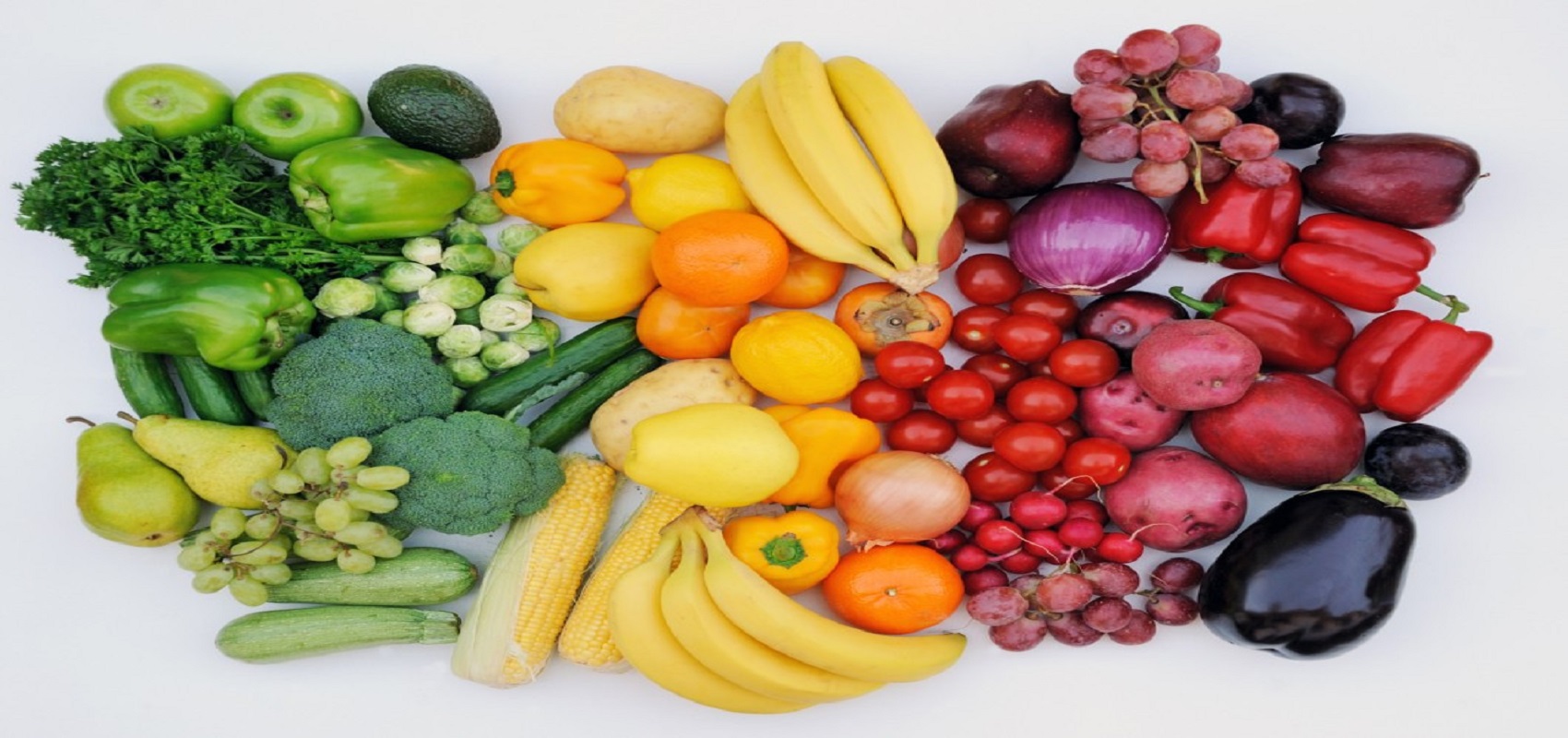
Moderni Tendenze Consigli are packed with essential nutrients and offer numerous health benefits. They shape our choices more than we often realize. By understanding these shifts, you can stay current and make smarter decisions. highlight the recent trends that are changing routines and encouraging new ways of thinking and acting.
Fashion and Style Shifts in Modern Trends
Fashion is changing faster than ever before. No longer are trends tied down to rigid rules or one size fits all ideas. Today, style is about making conscious choices and pushing boundaries. The way people dress reflects bigger shifts, changing how we see ourselves and others.
Sustainable Fashion and Eco conscious Choices
More consumers are asking for clothes that do good for the planet. Material choices now include organic cotton, recycled fabrics, and biodegradable textiles. Brands that use eco friendly methods attract attention because shoppers want to wear clothes that match their values.
People no longer want fast fashion that ends up in landfills after a few wears. They look for pieces made with care and fairness. Ethical production has become a key factor. Fair wages, safe workplaces, and reducing waste are top priorities.
What does this mean for everyday shopping?
- Expect to see more brands sharing transparent stories about their sourcing.
- Clothes made with natural and recycled fibers are gaining popularity.
- Many are opting for timeless designs that last longer rather than fleeting trends.
In short, choosing eco conscious clothing no longer stands out as unusual. It has become a clear way for consumers to show they care about the environment and future generations.
Gender Neutral Clothing and Its Growing Popularity
Fashion is breaking old rules. Labels like “men’s” and “women’s” are losing relevance. Instead, more people want clothes that suit their style, not their gender. Gender neutral styles are seen everywhere, from high end brands to streetwear.
This shift reflects a deeper desire for inclusiveness. Clothing now speaks to identity rather than conforming to stereotypes. Younger generations, in particular, see clothing as a way to express their true selves without restrictions.
Fashion designers now focus on versatile pieces loose shirts, tailored trousers, unisex accessories people can wear what feels right. Stores carry more and more options with neutral tones and simple cuts designed for everyone.
The rise of gender neutral fashion invites us to rethink what dressing well really means. It’s about comfort, authenticity, and breaking free from old boundaries. More inclusive options mean clothing becomes a tool for self expression, not a box to check.
In summary, modern fashion is about making choices that matter. It’s shifting toward sustainability and breaking traditional ideas of gender. As these trends grow stronger, they shape more than style they shape how we see ourselves and our world.
Technology’s Influence on Daily Living
Technology is changing how we go about our days. It makes routines faster, easier, and often more efficient. Instead of just a convenience, many of these tools have become essential parts of daily life. They change not only what we do but how we do it, shaping habits and decisions in subtle ways.
Smart Home Innovations and Automation
Smart devices are turning houses into spaces that can think for themselves. Imagine waking up to blinds opening automatically, your favorite coffee brewing just in time for breakfast, or the thermostat adjusting to the perfect temperature. These gadgets aren’t just about luxury; they cut energy use and save money. When everything is connected, it’s easier to spot waste and cut down on it.
Smart home technology also simplifies daily chores. Lights turn off when no one is in the room, and security systems notify you if something unusual happens. You can control everything from your phone, whether you’re at home or away. This kind of automation creates a home that responds to your habits and needs.
Beyond convenience, these devices improve energy efficiency. They shut off devices when not in use, optimize climate control based on occupancy, and track energy consumption. In the long run, that means lower bills and a smaller carbon footprint. As smart homes grow more common, they become a natural extension of our routines, making homes safer and more sustainable.
Wearable Tech and Personal Health
Wearables, like fitness trackers and smartwatches, are everywhere. They act as health conscious companions, constantly monitoring our bodies and routines. These devices track steps, heart rate, sleep quality, and even stress levels. Many people now rely on them to keep an eye on their well being without much effort.
Wearable tech offers insights that can encourage healthier habits. For example, it might alert you if you’ve been sitting too long or encourage you to take breaks during busy days. Some devices even detect early signs of health issues, prompting users to seek help before problems grow serious.
Their popularity grows because they turn health management into something simple and personal. Instead of relying on guesswork, you get clear numbers and goals that motivate action. Many users find they stay more active, sleep better, and become more aware of their body’s needs.
The convenience of having health data on demand makes these devices a natural part of daily life. They’re no longer just gadgets for fitness buffs but essential tools for anyone committed to a healthier lifestyle. As wearable tech continues to improve, it’s easy to see how these devices will become even more integrated into daily routines, helping us live better, smarter lives.
In summary, technology today is more than just a tool it’s deeply woven into how we live. From smart homes that anticipate our needs to wearable devices that keep us healthy, these innovations shape routines and our understanding of wellbeing.
Health and Wellness Trends
More people are turning their attention inward, seeking ways to improve their mental and physical health. These trends reflect a shift toward practices that promote well being and a balanced lifestyle. They aim to help you feel better, stay energized, and take control of your health every day.
Mindfulness and Mental Health Care
Mindfulness practices and mental health care are becoming household staples. Many recognize that mental well being is just as important as physical health. Activities like meditation, deep breathing exercises, and journaling are gaining popularity because they help quiet the mind and reduce stress.
Therapy has moved beyond the traditional office setting. Online platforms make access to mental health professionals easier and less intimidating. More individuals are willing to seek help, understanding that mental health matters. Some are even practicing mindfulness during their daily routines like taking a few moments to breathe deeply before starting work or during stressful situations.
The benefits are clear: these practices improve focus, energy, and overall emotional balance. They help build resilience against everyday pressures. Incorporating mindfulness into daily life can be simple. For example, dedicating even five minutes in the morning or evening to breathing exercises can set a calm tone for the day ahead.
This focus on mental health reflects a stronger understanding that well being depends on more than physical activity. It involves nurturing your mind and emotions just as much. The trend encourages openness and taking small steps toward feeling better every day.
Emergence of New Fitness Routines and Diets
Fitness routines are more varied and accessible than ever before. Quick, intense workouts like High Intensity Interval Training (HIIT) are popular because they deliver results in less time. These routines pack a punch, combining short bursts of activity with rest periods, making them ideal for busy schedules.
Diet trends have shifted toward plant based options. More people want meals that are not only nutritious but also better for the planet. Vegan and vegetarian diets are growing because they focus on whole foods and reduce processed ingredients. However, flexible eating plans have also gained popularity, allowing for balance rather than strict rules.
Many turn to organic products to cut back on chemicals and additives. Organic fruits, vegetables, and grains are now easier to find and more affordable. People want food they trust clean, natural, and minimally processed.
In today’s world, health conscious routines often blend different trends:
- Quick workouts that focus on strength and cardio.
- Plant based or organic meals that support energy and immunity.
- Flexible eating plans that adapt to individual needs and preferences.
This approach encourages a more sustainable, long term view of health. It’s less about quick fixes and more about forming habits that fit into everyday life. Choosing routines like these keeps people motivated and helps create a balanced lifestyle.
Focusing on mental wellness alongside physical fitness paints a complete picture. These trends show that taking care of yourself becomes easier when methods are simple, enjoyable, and suited to your personal needs.
Consumer Behavior and Sustainability
More consumers now see their shopping choices as a way to support a better world. Environmental concerns are not just a side note anymore; they are shaping habits and brand priorities. People want to buy from companies that act responsibly and reduce harm to the planet. This shift influences what brands make and how they promote their products.
Conscious Shopping and Ethical Brands
Consumers are growing more aware of how their purchases affect the environment and society. Fair trade, local sourcing, and eco labels are no longer buzzwords. They are signals that a brand cares about more than just profits. Buying fair trade and locally sourced products ensures farmers and workers get paid fairly. Eco labels like organic, biodegradable, or carbon neutral tell customers that a product has a lighter environmental footprint.
People want transparency from brands. They ask where their clothes, food, or gadgets come from. They seek stories that show ethical practices, from sustainable farms to safe working conditions. Many are willing to pay more for products that match their values. They see eco conscious choices as part of their identity.
Some key behaviors include:
- Checking for eco labels but also researching company practices.
- Favoring small, local brands over large corporations.
- Avoiding products linked to pollution or unethical labor.
This approach turns shopping into an act of activism. It promotes brands that stand for fairness, sustainability, and responsibility. It shows a clear desire to support a cleaner planet and fairer world through everyday decisions.
Impact of Social Media on Buying Choices
Social media platforms now shape what people buy more than traditional advertising ever did. Photos, reviews, and influencer endorsements spread fast. They give instant access to trends and opinions. When someone posts about a product or a brand they love, it can spark a wave of interest among followers.
Brands that focus on sustainability often use social media as a platform for their message. They show behind the scenes videos of eco friendly practices or highlight customer stories. Watching these stories creates a sense of trust and community. Consumers are more likely to act when they see real people sharing honest experiences.
Social media also shifts how brand loyalty works. It’s no longer about a product alone; it’s about shared values. If a brand demonstrates genuine care for the environment, followers notice. That builds a stronger bond than traditional ads could create.
Influencers and viral campaigns can make eco friendly products popular overnight. Their authentic stories inspire others to try new brands or switch to greener options. When a trend gains enough momentum online, it forces brands to prioritize sustainability or risk losing relevance.
In these ways, social media is more than a tool for shopping. It’s a powerful voice that amplifies the push for responsible choices. It helps consumers see which brands truly care and which are just jumping on the trend.
Supporting a healthy planet ties directly to what we buy and what companies stand for. Consumers no longer passively accept whatever is offered. Their choices are more deliberate, driven by a desire to make a positive impact. For brands, that means taking responsibility seriously and sharing their efforts openly. The influence of social media makes honesty essential. Customers want real stories about sustainability, fairness, and quality. As this trend continues, it becomes clear that shopping with purpose is here to stay.
Staying aware of modern trends helps us make better choices every day. From fashion that reflects values to tech tools that improve routines, these shifts influence how we live. Consumers are more mindful of the impact behind their purchases, seeking brands that prioritize transparency and responsibility. Keeping up with these changes can lead to a more thoughtful, meaningful lifestyle. Continue to observe these patterns, and you’ll be better equipped to adapt and thrive in a world that’s constantly shifting. Thank you for reading your awareness can shape a more conscious future.