Moderni Tendenze Utilizzi
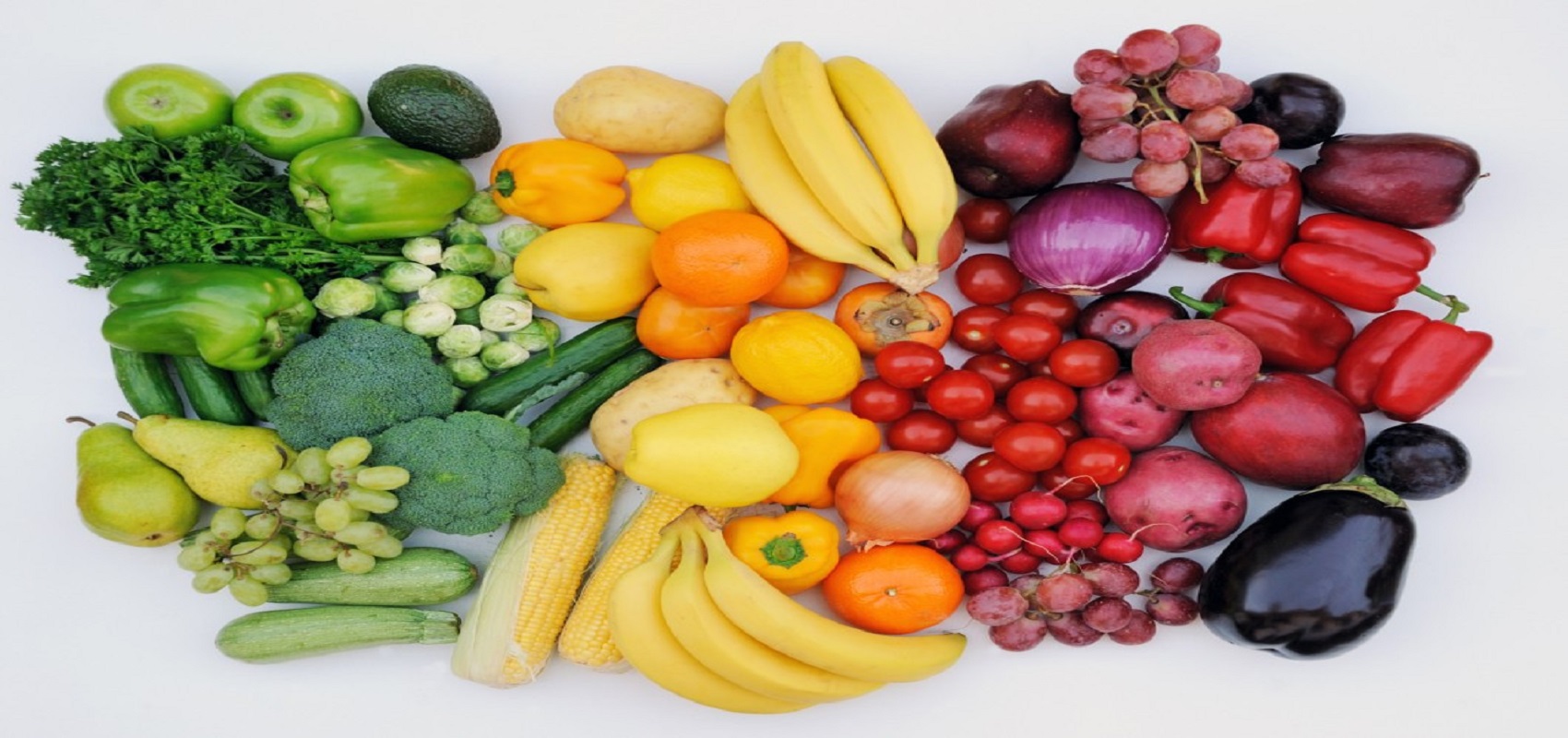
Moderni Tendenze Utilizzi are packed with essential nutrients and offer numerous health benefits. New styles, habits, and ideas pop up almost daily. Keeping up isn’t just about staying trendy; it’s about understanding how these shifts shape what we do and how we see ourselves.
Modern trends influence our choices more than ever. They set the tone for how we dress, what we buy, and even how we spend our free time. Staying aware of these changes helps us make smarter decisions and stay connected to what’s happening around us.
Fashion and Lifestyle Shifts
Our way of dressing and living changes faster than ever before. These shifts reflect what we value today comfort, sustainability, and self expression. They shape not only how we look but also how we feel and connect with others.
Sustainable Fashion and Eco Friendly Choices
More brands now focus on sustainability. Consumers want to buy from companies that care about their impact on the planet. This has led to a surge in eco friendly materials like organic cotton, recycled polyester, and hemp. These fabrics reduce the use of harmful chemicals and lower carbon footprints.
Many shoppers prefer brands that show transparency in sourcing and manufacturing. They want to know where their clothes come from and how they are made. For example, brands like Patagonia and Everlane are known for their commitment to ethical practices. Consumers support them because they align with their values.
This trend pushes designers and retailers to prioritize durability over fast fashion. People are choosing pieces meant to last longer, which means less waste and a smaller environmental footprint. Eco conscious shopping isn’t just a trend; it’s becoming a way of life.
Casual and Comfortable Attire in Daily Wear
Comfort has become king when it comes to everyday clothing. No longer do we need to sacrifice ease for style. Wide leg pants, soft knits, and oversized shirts dominate shelves and streets alike.
Athleisure blurs the line between workout wear and casual outfits. People wear leggings, joggers, and hoodies even outside the gym. Sneakers and slip on shoes are now part of everyday fashion, emphasizing comfort without sacrificing style.
Relaxed fits and stretchy fabrics make every day easier. Many prefer loose clothing that moves with them and feels effortless. This shift means dressing is less about impressing others and more about feeling good in your own skin.
The focus on comfort reflects a change in priorities. We want to move freely, look good while doing it, and skip uncomfortable clothes. It’s a practical approach that encourages us to dress for ourselves first.
Personal Expression Through Style
Fashion today is about showing who you are. Each outfit can tell a story or make a statement. People are mixing vintage finds with modern pieces to create looks that are uniquely theirs.
Accessories like bold jewelry, quirky bags, or colorful scarves help add personality to simple outfits. Many are hunting for one of a-kind items in thrift shops or online marketplaces. Vintage clothing isn’t just affordable; it’s also a way to stand out from the crowd.
DIY fashion is also on the rise. From customizing denim jackets to adding patches to sneakers, people love putting their personal touch on their wardrobe. It turns clothing into a form of art and self expression.
This focus on individuality encourages everyone to break free from uniform trends. Instead of following what’s popular, people seek clothes that truly reflect their moods, interests, and values. In a way, your style has become your personal billboard.
Technology Integration in Everyday Life
Technology no longer feels like a luxury; it has become part of our daily routines. From how we manage our homes to how we connect with others, innovation shapes every moment. It’s easy to imagine a day without smartphones or laptops almost impossible now. These tools make life more convenient and personalized, bringing a wave of changes in how we work, relax, and stay connected.
Smart Devices and Home Automation
The trend towards connected homes continues to grow. Today, many homes feature smart thermostats that learn your schedule and adjust the temperature automatically. Lights can turn on or off based on where you are in the house, saving energy and increasing comfort. Appliances like smart refrigerators remind you when groceries run low or even order new ones online.
This shift makes managing the home simpler. Instead of flipping switches or adjusting thermostats manually, you control everything through an app. Voice activated assistants such as Amazon Alexa or Google Home respond to commands, helping with tasks, playing music, or providing news updates.
Imagine waking up and your coffee machine starts brewing as soon as your smart alarm goes off. Everything is interconnected, making home life feel more seamless. These innovations boost efficiency and help you focus on more meaningful activities.
Wearable Tech and Health Monitoring
Wearable devices have transformed how people track their health. Fitness trackers and smartwatches provide real time data on steps, heart rate, sleep, and even stress levels. These gadgets motivate users to stay active and keep an eye on vital signs throughout the day.
Many wristbands can sync with mobile apps, giving users a simple way to view their health progress. Some devices even alert you to irregular heartbeats or warn if your activity levels drop below healthy thresholds. It’s like having a small health assistant strapped to your wrist.
People now use this technology to stay motivated for their fitness goals or manage chronic conditions more effectively. Tracking progress with tangible numbers pushes many to move more. This level of awareness empowers users to make smarter choices about their health and keeps wellbeing front and center.
Digital Social Spaces and Virtual Connectivity
Our social lives have shifted from face to face encounters to online spaces. Social media platforms let us share moments instantly with friends and family around the world. Whether it’s posting a picture, commenting on a video, or sharing a story, digital interactions are close to real time.
Virtual events have become common, from webinars to online parties. These gatherings save time and money, making it easy to stay connected without physical proximity. Digital communities form around shared interests, hobbies, and causes. They give people a sense of belonging, even if they’re thousands of miles apart.
The pace of social interaction continues to quicken. Messaging apps and video calls keep us in touch all day long. Many find it easier to connect online than to meet in person, especially busy schedules or long distances. This shift offers new opportunities but also requires balance to prevent social overload.
Technology has reshaped how we connect, work, and relax. It creates new possibilities to stay healthy, productive, and in touch with loved ones. These tools are now woven into the fabric of everyday life, making routines simpler and more adaptable.
Health and Wellness Priorities
In recent years, health and wellness have taken center stage in daily routines. More people want to feel good, stay active, and find balance in life. This shift reflects a focus not just on physical health but also on mental clarity and self care. There’s a desire to look after ourselves better and create habits that support overall well being.
Let’s explore some of the biggest trends shaping how we care for ourselves today. From fitness routines you can do at home to new ways of calming your mind, these changes show what many prioritize now.
Fitness Trends: Home Workouts and Tech Enabled Exercise
Larger gyms might be quiet these days, but that hasn’t slowed us down. Many are now turning to home workouts that fit into busy schedules. Popular options include bodyweight exercises, yoga, Pilates, and resistance band routines. These workouts are easy to do in small spaces, often with minimal equipment.
Apps and streaming services have become the trainers of choice. They guide us through every move, making workouts structured and engaging. You can follow a yoga class on YouTube or use a fitness app that tracks your progress. These tools keep motivation high and make it easier to stick with routines.
Virtual classes and on demand videos offer flexibility work out when it suits you, whether early morning or late at night. The convenience helps turn exercise into a regular part of life, not a chore. Technology makes staying active simple, accessible, and personalized.
Mental Health and Mindfulness Movements
People now recognize that a healthy body isn’t enough. Mental wellness has become just as important. Taking care of your mind helps you feel more balanced and less stressed. That’s why meditation and mindfulness practices are now mainstream.
Guided meditation apps like Headspace or Calm help quiet racing thoughts. They lead you through breathing exercises and visualizations designed to lower anxiety and increase focus. Many users find just a few minutes of daily meditation can boost their mood.
Online therapy options also give access to mental health support without leaving home. Virtual support groups connect those facing similar struggles, creating communities of understanding and encouragement. This openness reduces stigma and makes seeking help easier.
Prioritizing mental health means embracing routines that nurture inner calm. It can be as simple as taking time each day for quiet reflection or practicing gratitude. These small shifts lead to greater resilience and mental clarity.
Self care and Beauty in Modern Life
Self care routines have shifted from occasional splurges to daily habits that nourish both skin and spirit. The focus is increasingly on natural, gentle products that avoid harsh chemicals. Think plant based creams and oils, made to soothe and restore.
Personalized beauty routines are also trending. People want products that match their unique skin type and concerns. Whether it’s a tailored skincare regimen or a custom blended serum, this approach puts the individual in control of their look and health.
Holistic health practices blend physical, mental, and emotional well being. Practices like acupressure, aromatherapy, and nutrition coaching now work hand in hand with skincare. They create a sense of well rounded wellness that feels personal and effective.
Many find that simple daily acts like a calming facial massage or mindful skincare routines bring a sense of calm and confidence. These habits remind us that beauty isn’t just skin deep, but connected to how we feel inside.
Workplace and Education Transformations
The way we work and learn has shifted dramatically over the past few years. These changes are not just temporary fixes but part of a new way people interact with their jobs and education. The concept of sitting in a classroom or a traditional office is no longer the only option. Instead, digital tools and new methods are reshaping everyday routines.
This transformation brings more flexibility, access, and convenience. It also challenges old ideas of how we should work and learn. Let’s take a closer look at how these changes are playing out in real life.
Remote Work and Hybrid Models
More companies now allow employees to work from home. The rise of home offices didn’t happen by chance; it came from the demand for more flexibility and better work life balance. Many workers now prefer a setup that lets them dodge long commutes and create a workspace that suits them.
The growth of digital collaboration tools is a big part of this shift. Platforms like Slack, Zoom, and Microsoft Teams make it easy to talk, share, and work together, no matter where people are. Video calls are now part of daily routines, replacing face to face meetings in many cases.
Flexible schedules also give workers control over their day. They can choose to start early, work later, or break up their day into chunks. This freedom helps improve focus and productivity. Managers now see that trusting employees to manage their own time can lead to better results.
For many, this hybrid approach offers the best of both worlds. They get to enjoy the comfort of home while still collaborating with colleagues. It’s a shift that makes traditional office spaces less critical and opens the door for more creative ways to get work done.
Online Learning and Skill Development
Education has gone beyond the classroom walls. Online platforms now connect students and teachers from all corners of the globe. From community colleges to university courses, digital learning makes education more accessible.
Micro credentials and digital certificates are becoming popular. Instead of spending months on a degree, many seek short, focused courses that teach specific skills. These bite sized lessons fit easily into busy schedules and often come with digital badges you can showcase on your profile.
Many workers are turning to online courses to learn new skills for their jobs. Whether it’s coding, marketing, or project management, digital tools make it simple to upskill without the need to be in a classroom. These platforms offer videos, quizzes, and interactive exercises to keep learners engaged.
Organizations now see training as an ongoing process. Employees are encouraged to keep learning in small doses. This mindset opens up more opportunities for those who want to stay current or switch careers. Digital education is earning a reputation for being fast, flexible and aligned with real world needs.
New Skills for New Jobs
The workplace demands a different set of abilities now. Technical skills remain essential, but soft skills are gaining more importance. Digital literacy is no longer optional; it’s a necessity. Everyone should know how to navigate different software, handle data, and protect their online presence.
Adaptability stands out as a key trait. The ability to switch gears, learn new tools, and handle changing roles keeps workers relevant. As technology advances, so do the expectations. Staying flexible means being willing to learn new things and take on various tasks.
Creative problem solving also becomes more valuable. When faced with complex challenges or unfamiliar situations, workers need to think outside the box. This skill ensures they can find unique solutions and add value to their teams.
Most jobs now require a mix of technical ability, emotional intelligence, and adaptability. Building these skills helps individuals thrive in an environment where change is constant. Preparing for the future means developing a mindset that welcomes growth, not fear of it.
Modern trends show that being adaptable is key. Our world is constantly shifting, and those changes open new ways to live and work. Staying open to trying new habits and ideas helps us grow and stay relevant.
Keep exploring different approaches, whether in fashion, health, or technology. The future belongs to those who are willing to learn and change. By keeping an eye on these trends, you can shape your life with confidence and purpose. Thank you for reading and sharing your thoughts.