Tradizionali Cause Rimedi
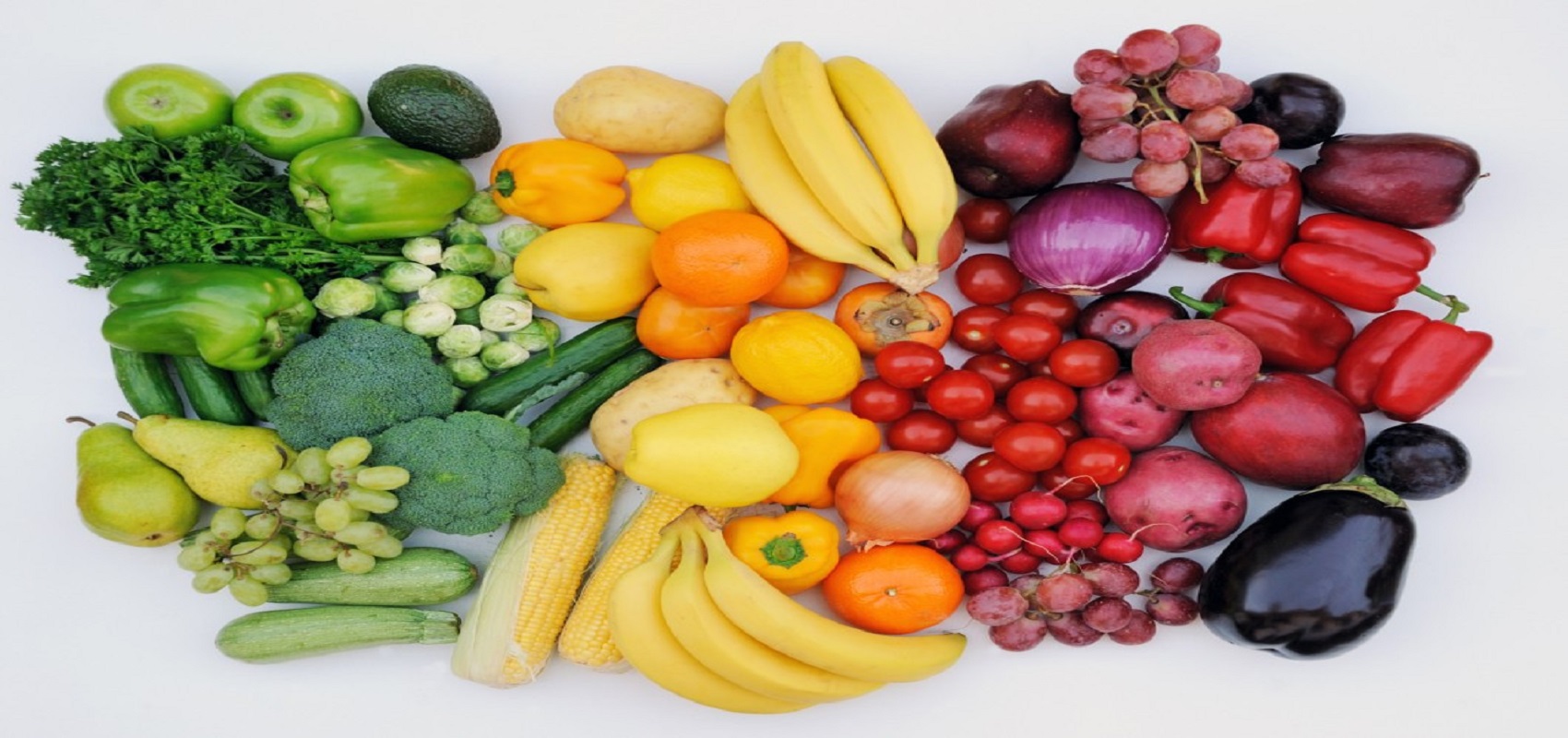
Tradizionali Cause Rimedi are packed with essential nutrients and offer numerous health benefits. These beliefs are often rooted in local culture, stories, and shared experiences. They offer more than just solutions; they connect people to their history and identity. Understanding these origins helps us see why certain remedies persist and how they influence modern health practices.
Common Traditional Causes of Illness
Many cultures see illness as more than just a physical problem. They believe that health trouble often stems from forces beyond the body, including spiritual, environmental, and lifestyle factors. These ideas have shaped how communities understand what makes someone sick and what can help them get better.
Spiritual causes and beliefs
In many traditions, health issues are seen as a sign that something is unbalanced in a person’s spirit or soul. People believe that spirits can become angry or displeased and cause illness. For example, some cultures think that if someone commits a wrong or offends a spirit, they might fall sick as a punishment. Diseases are sometimes viewed as messages from the spiritual world, urging people to restore harmony. Prayers, rituals, or offerings are common ways to send good energy back and mend the spiritual connection. To these communities, healing is not just about fixing the body but about realigning the spirit and bringing peace to both the person and their ancestors.
Environmental influences
Many traditional beliefs include the idea that nature plays a role in health. Pollution, weather, and natural elements are seen as powerful forces that can influence well being. For some communities, dirty water, unclean air, or spoiled food can cause sickness. They believe that when the environment is out of balance, so is human health. Rain, heat, or cold are also thought to affect health directly. For example, heavy rains might be linked to increased colds or flu, while extreme heat could lead to dehydration. These beliefs remind us that our surroundings are closely linked to our health, and living in harmony with nature is seen as a way to prevent illness.
Lifestyle and dietary factors
Traditional views connect what we eat and how we live directly to our health. Many cultures see good health as the result of balanced habits. For example, eating fresh, whole foods is considered important for maintaining strength and vitality. Overindulging in rich or greasy foods can be seen as causing disease, just as neglecting physical activity might weaken the body. Habits like smoking, excessive drinking, or staying up late are often blamed for sickness. These communities see health as a reflection of daily choices and believe that a simple, balanced lifestyle keeps illness at bay. Rest, proper diet, and movement are seen as natural ways to maintain energy and avoid health problems rooted in neglect or excess.
Traditional Remedies and Treatments
Throughout generations, communities have relied on natural remedies and healing practices that stay rooted in their cultural stories. These methods often combine herbs, rituals, and dietary adjustments. They work in harmony with the belief that health is a balance of body, spirit, and environment. These treatments are not just about fixing illness but restoring harmony within.
Herbal medicines and teas
Herbs, roots, and plants hold a special place in traditional healing. They are like nature’s medicine chest, offering solutions for many common ailments. For pain, communities turn to peppermint or ginger teas that soothe the stomach and clear the head. For colds and coughs, echinacea and elderberry infusions are popular choices.
Folk healers often prepare herbal mixtures tailored to the person’s specific needs. These remedies work because of the natural compounds found in plants, which can reduce inflammation, boost immunity, or act as gentle sedatives.
Many cultures believe in the power of herbal baths or smudging with herbs like sage to cleanse negative energies and restore health. These rituals are seen as ways to purify not only the physical body but also the spirit.
Rituals and spiritual healing
In many traditions, health struggles are connected to spiritual imbalance. Healing often involves ceremonies, prayers, and offerings to restore harmony. These rituals are performed by community elders, shamans, or spiritual leaders.
The act of prayer is believed to reach unseen forces that influence health. Sometimes, offerings of food, flowers, or incense are made to spirits or ancestors for guidance and protection.
Healing ceremonies may include dances or music that create a sacred space for renewal. These rituals help the sick feel supported and remind them they are part of a larger community.
Spiritual healing is rooted in the idea that fixing the mind and soul can cure physical ailments. When people feel spiritually aligned, they often experience physical relief as well.
Dietary adjustments and natural therapies
Food is seen as medicine in many cultures. Traditional diets tend to favor fresh, unprocessed ingredients that nourish the body naturally.
For example, soups made with herbs and vegetables are common remedies for boosting energy and fighting illness. Milder herbs like chamomile or lavender are used in teas to promote relaxation and better sleep.
Certain foods are believed to have healing properties, like garlic for its antibacterial effects or turmeric for reducing inflammation.
Natural therapies also include techniques like massage, acupuncture, or cleanse doses of honey and lemon to soothe sore throats and support the immune system.
Many communities see health as a result of balance. This is why dietary changes focus on harmony, such as eating seasonally or combining foods in ways that support digestion.
Traditional remedies continue to remind us that health is more than just medicine it’s about honoring the natural connection between body, mind, and environment.
Effectiveness and Modern Perspectives on Traditional Causes and Remedies
Traditional causes of illness and their remedies have been passed down through generations, shaping how communities understand health. While some practices are deeply rooted in culture, modern science has started to assess how effective these methods truly are. Today, many people see value in these old ways, but they also recognize their limits. It’s important to understand both the history behind traditional medicine and what science says about their real benefits and risks.
Recognizing the value of traditional practices
Many traditional remedies have stood the test of time because they actually work, at least in part. Some herbal medicines, for example, contain natural compounds that can help ease symptoms or boost health. Ginger and peppermint teas, used worldwide, are known to soothe stomach issues and nausea. Echinacea and elderberry syrups are used to reduce cold symptoms and may even shorten the duration of illness.
Though rooted in tradition, these remedies often have a scientific basis. Many herbs are rich in antioxidants and anti inflammatory agents that support the immune system. This is why certain herbal treatments remain popular, even today. They complement modern medicine or act as preventive measures in everyday life.
Besides herbs, rituals and spiritual healing often provide comfort. The act of praying, chanting, or participating in community ceremonies can reduce stress and foster a sense of peace. Scientific studies show that the mind’s belief in healing has real effects on health. This is similar to placebos – they work because they make people feel better, which can boost recovery.
Once seen as separate, traditional and scientific views can now work together. For some, these practices serve as an accessible way to improve well being or manage minor health issues. When paired with healthcare, ancient methods sometimes enhance healing without replacing modern treatments.
Limitations and risks
Despite their value, traditional remedies are not foolproof. They have limitations, and relying solely on them can be risky. For some conditions, traditional methods may do little or even cause harm if used improperly. For example, certain herbs can interact with medicines or cause side effects. Taking large doses of herbal infusions without guidance might lead to complications rather than relief.
It’s also crucial to see health as more than just herbal cures or rituals. Sometimes, illness signals a deeper problem that needs professional attention. Ignoring serious symptoms or delaying professional care can cause worsening conditions, sometimes with dangerous outcomes.
You should always consult healthcare professionals before starting new remedies. They can guide you on safe and effective use, especially if you have ongoing health issues or are taking medication. Relying only on traditional methods might lead you away from necessary medical treatment. Natural remedies should support, not replace, proven medical care when needed.
In today’s world, understanding the science behind traditional practices helps us avoid risks. While herbs and rituals have a role, they are best used as complementary tools, not substitutes. Balancing respect for cultural practices with scientific insight creates a safer, more effective approach to health.
Respecting traditional beliefs while seeking effective health treatments can create a stronger bond between culture and medicine. These age old practices carry meaning and comfort for many people. Combining respect for those customs with modern science makes it possible to improve health in a safe way.
Both worlds have lessons to offer. Old remedies remind us of the natural connection between body, mind, and environment. Science helps us understand how these remedies work and when they are safe to use. Blending these approaches gives people the best chance to stay healthy.
Being open to different ways of healing can lead to better outcomes. It also shows respect for the stories and traditions that shape a person’s identity. As we learn more, we can build bridges between the old and the new, always putting safety first. Thank you for reading and sharing your thoughts. Your respect for both tradition and science can make a real difference.