Unici Tendenze La dieta
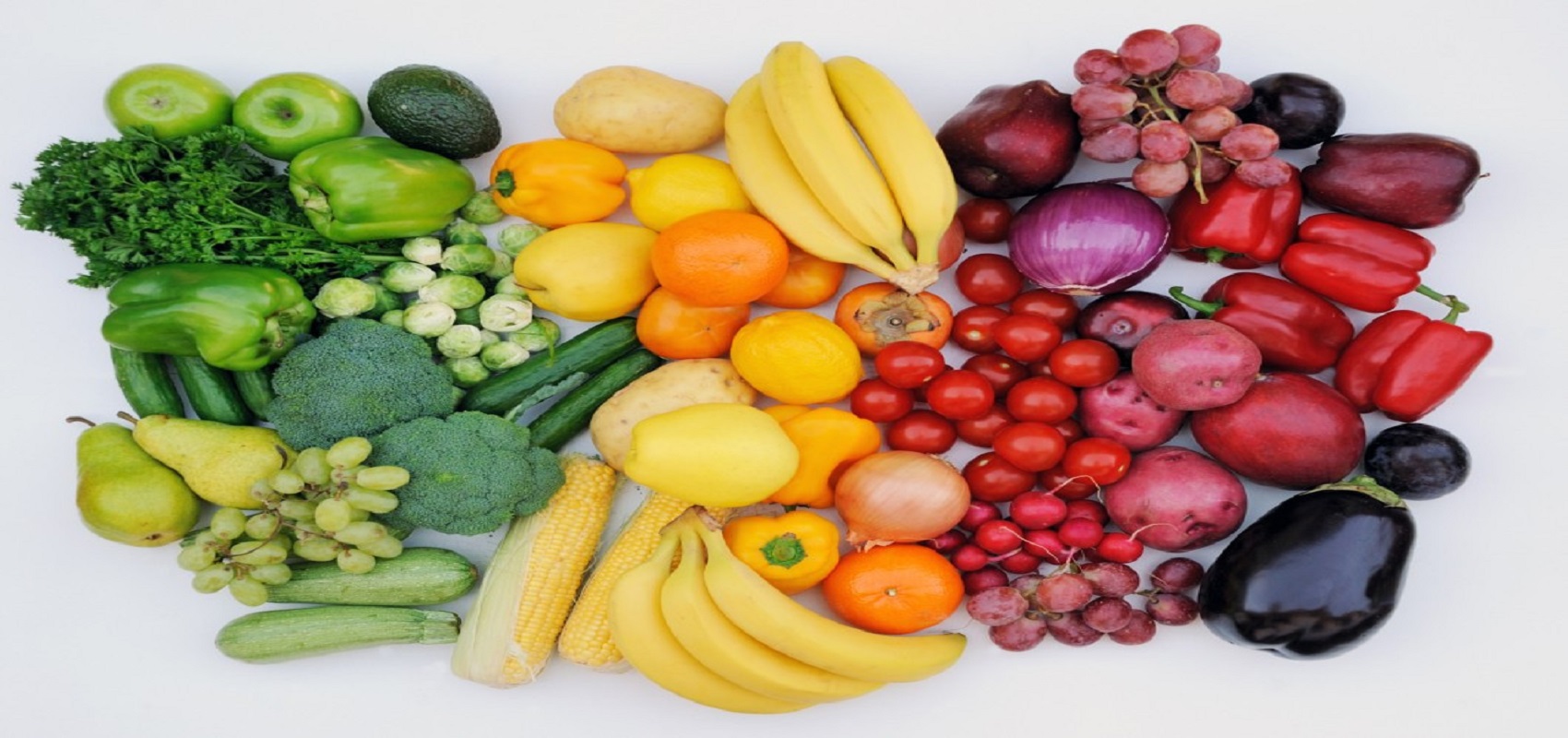
Unici Tendenze La dieta are packed with essential nutrients and offer numerous health benefits. New ideas about health and food appear almost weekly. Staying informed about these changes helps you make better choices for your well being. Understanding what’s popular now can guide you toward eating habits that support both your health and your lifestyle. This post looks at the latest diet movements shaping 2025 and why they matter in today’s health scene.
The Rise of Plant Based Diets
More people are turning to plant focused eating than ever before. While vegetarianism and veganism have grown in popularity, many others are simply adding more plants to their plates. It’s not just about personal health anymore there’s a strong push for better choices that help the planet and animals too. This shift shows how much modern diets are changing and why they’re here to stay.
Health Benefits of Plant Focused Eating
Eating more plants can boost your energy levels naturally. Fruits, vegetables, nuts, and grains are packed with nutrients that keep your body running smoothly. When your diet is richer in plants, your digestion often improves because fiber helps move things along. Many find they feel less sluggish and more alert after increasing their plant intake.
Eating plants can also lower the risk of many diseases. Scientific studies highlight how plant heavy diets lower chances of heart disease, type 2 diabetes, and certain cancers. These foods are nutrient dense but low in harmful fats and processed sugars. Think of eating more plants as giving your body quality fuel that helps you stay active and resilient.
For those who want more energy and fewer health worries, a diet centered around plants offers clear benefits. It’s like upgrading your engine with cleaner, stronger parts. You feel the difference in your day to day life, more motivated and prepared to handle whatever comes your way.
Environmental and Ethical Considerations
Driving less harmful damage to the planet has become a top goal for many. Plant based diets directly cut down carbon footprints because growing fruits and vegetables demands fewer resources than raising animals for meat. Livestock farming is a major contributor to greenhouse gases. Replacing some meat with plants can reduce your impact significantly.
Switching to a plant based diet also supports animal welfare. Many animals raised for food live in crowded, often harsh conditions. Choosing plant based foods means less demand for factory farmed animals. It’s a decision that shows respect for creatures that cannot speak for themselves.
Social influences play a role too. Celebrity endorsements, environmental campaigns, and shifts in cultural norms push more people to consider plant heavy eating habits. It’s no longer just an isolated choice but part of a broader movement toward sustainability and compassion.
In the end, adopting more plant based foods isn’t just about personal health. It’s about making choices that benefit the planet and show respect for all living beings. This trend speaks to a world that values well being in every sense, from individual vitality to the health of our environment.
Apps and Data Driven Diet Trends
Today’s technology makes it easier than ever to stay on top of dietary goals. There are dozens of apps designed to track what you eat, count nutrients, and even suggest meal plans. These tools turn what used to be guesswork into something precise and measurable. Do you want to know how many grams of protein you had today or where your fats are coming from? These apps give you clear answers.
Popular apps like MyFitnessPal, Lose It!, and Chronometer have become staples for many. They let you log your meals quickly, see your daily nutrient intake, and set specific health goals. Some even connect with wearable devices to automatically track activity levels and calories burned. The result is a clearer picture of your overall health.
Tracking tools also boost motivation. Seeing your progress in real time encourages consistency. You can spot trends like how certain foods impact your energy or mood and adjust accordingly. This feedback loop makes dieting less about willpower and more about informed decisions.
Many apps incorporate barcode scanners, which simplify food logging. Instead of manually entering data, you scan the label, and the app picks up information instantly. This saves time and reduces mistakes, making it easier to stick with plans. Many apps also offer social features, where users can share achievements or tips, creating a community that keeps you accountable.
Data driven diet trends show that personalized insights can lead to better results. Instead of following generic plans, you learn what works specific to your body. These apps empower you to make smarter choices, whether that means reducing sugar, increasing fiber, or balancing macros.
Genetics and Custom Diets
Genetic testing has moved from research labs into homes. Now, a simple DNA test can reveal actionable details about how your body reacts to certain foods and nutrients. It isn’t just about appearance anymore. Your genes tell a story about your health risks and what diet might suit you best.
The process usually involves sending a saliva sample to a lab. In a few weeks, you receive reports that explain your genetic makeup. Some results suggest which foods support your metabolism, while others point to potential nutrient deficiencies. This knowledge makes it easier to tailor a diet plan that fits your unique needs.
For instance, if your genes show you process fats efficiently, a higher fat diet might work for you. Conversely, if you are prone to low vitamin D levels, your plan could include foods rich in this nutrient or supplements. In this way, your diet becomes more than general advice; it becomes specific to your biology.
Many companies now offer personalized diet programs based on DNA analysis. These plans can include everything from meal suggestions to grocery lists. The idea is to support your health with precise modifications rather than one size fits all plans.
Genetic tests also help identify potential health issues before they develop. If you carry genes linked to conditions like diabetes or heart disease, your diet can be adjusted early. Making these changes now supports long term well being and eases future health concerns.
This approach also promotes a mindset of self awareness. Understanding the biological reasons behind food cravings or energy dips helps you listen more closely to your body. It transforms eating from a routine into a personalized health strategy one that adapts as your body evolves.
Principles of Clean Eating
Clean eating focuses on simple, natural foods that are as close to their original form as possible. It’s about choosing ingredients that are free from unnecessary chemicals, preservatives, and artificial additives. Think of it as cleaning out clutter from your plate, leaving only what your body truly needs.
The core ideas behind clean eating include avoiding processed foods filled with additives, excess sugars, and unnatural fats. Instead, opt for whole, fresh foods fruits, vegetables, nuts, seeds, grains, and lean proteins. By doing this, you nourish your body with real fuel rather than artificial substitutes.
Another principle is reading labels carefully. Processed foods often hide ingredients that sound more like chemicals than food. If you don’t recognize or can’t pronounce most of the ingredients, it’s better to skip it.
Cooking at home becomes a key part of clean eating. When you prepare your meals from scratch, you control what goes in and how it’s made. This simple change can drastically reduce your intake of preservatives and additives, helping you eat more naturally.
Keeping things straightforward is the goal. If it comes in a package with long ingredients lists, it probably isn’t the best choice. Natural foods, cooked simply with herbs and spices, support a healthy lifestyle.
Practical Tips to Start a Minimalist Diet
Adopting a minimalist diet means simplifying your eating habits and focusing only on what truly matters quality, whole foods. Here are some easy steps to start cutting back on processed foods and making your meals more straightforward and nourishing.
- Start by cleaning out your pantry. Remove snack foods loaded with artificial flavors, preservatives, and excess sugar. Replace them with nuts, seeds, fresh fruit, or homemade snacks you can control.
- Plan simple meals. Focus on dishes made from a handful of ingredients. Think grilled chicken, roasted vegetables, or a basic bean and rice bowl. These are easy to prepare and don’t rely on additives.
- Cook more at home. Preparing your own meals allows you to choose wholesome ingredients. It’s easier than you think try one new simple recipe each week.
- Use whole, unprocessed ingredients at every meal. Fruits instead of fruit snacks, real nuts over flavored bars, fresh vegetables instead of chips. Small, consistent swaps make a difference over time.
- Limit packaged and convenience foods. If you’re tempted to reach for pre made meals or snacks, pause. Prepare your own, using fresh ingredients, and keep your diet simple and natural.
- Practice mindful eating. Slow down and savor each bite. When you’re fully present during meals, you naturally eat less processed foods because you’re paying attention to what your body needs.
- Focus on food preparation techniques that extend freshness. Use steaming, roasting, or boiling instead of frying or heavily processed methods. These techniques preserve nutrients and keep foods in their natural state.
- Develop a routine. Stick to simple, balanced meals. By making clean eating a habit, you’re less likely to fall back on processed foods out of convenience or habit.
Adopting a minimalist approach doesn’t mean sacrificing flavor. It means choosing foods that are pure, simple, and made with clarity. Over time, this makes your diet easier to manage, more satisfying, and healthier for your body. It’s about removing the unnecessary to focus on what truly supports your well being.
The Future of Diet Trends in a Changing World
Looking ahead, the way we approach diets will likely shift even more rapidly as new technologies and global challenges shape our choices. We are at a point where health, sustainability, and new scientific insights are pushing us toward smarter, more personalized eating habits. The biggest change will be our increasing ability to customize diets to fit individual needs, while also considering the health of the planet.
Personalization Through Technology
The future of dieting isn’t going to come from one size fits all plans. Technology will make it possible to create diets that truly fit your biology. Expect more apps and devices that analyze your health data instantly. These tools will help adjust your food choices in real time. For example, wearable sensors could tell you when your blood sugar drops and suggest foods to stabilize it.
Advances in genetic testing will deepen this. Your DNA can reveal how your body processes nutrients and show you what foods support your health best. As these tools become faster and cheaper, diet plans will shift from broad advice to precise routines built just for you.
This personalized approach helps people avoid wasting time on diets that don’t work for their bodies. It boosts motivation because you see results faster. No more guesswork just clear, tailored steps that fit your unique makeup.
The Role of Sustainability and Ethical Eating
Global concerns about climate change and resource use won’t slow down. Instead, they’ll drive new standards in what we eat. Future diets will focus even more on foods that reduce environmental impact. People will look for options that produce fewer emissions and use fewer natural resources.
More plant based options will become mainstream, not just for health, but for sustainability. Lab grown meats and vegan protein sources will become affordable and accessible. These innovations give options for those wanting to cut down on traditional meat without sacrificing flavor or texture.
Ethical choices will stay top of mind, too. Consumers will demand transparency about how their food is made. Brands that prioritize animal welfare and sustainable farming will stand out. We’ll see a shift where our eating habits directly support a healthier planet.
How Diets Will Respond to Global Challenges
As climate change affects crops and food supplies, diets will adapt to new realities. Food shortages could lead to more emergency focused eating strategies, emphasizing shelf stable and nutrient dense foods. Apocalyptic? No, just practical adaptation.
Agricultural innovations will rise to meet these challenges. Vertical farms in city centers, algae based foods, and insect proteins might become common parts of daily meals. These sources require less space and water, making them easier to produce sustainably.
Another trend is local sourcing. People will prefer eating seasonally and supporting nearby farms. This reduces carbon footprints and builds stronger food communities. Eating local might even become a symbol of environmental responsibility.
The Cultural Shift in Eating Habits
As global influences mix, diet trends will reflect broader cultural changes. More diverse cuisines will shape future eating habits. Fusion foods, plant based replacements, and alternative grains will unite different culinary traditions under one menu.
Expect to see more focus on mindful eating. Beyond what is on your plate, consumers will pay attention to where their food comes from and how it impacts their health and environment. Transparency and authenticity will matter more than ever.
The future will also see a rise in community based diets shared gardens, local food cooperatives, and group challenges that foster cooperation rather than competition. It’s about creating a sense of shared responsibility and making healthier choices together.
Looking Ahead
The next evolution of diets will be driven by the need for health, sustainability, and connection. It’s no longer just about losing weight or fitting into a certain size. Our food choices will grow smarter, more ethical, and more personalized.
As technology improves and global issues shape our values, coming up with a mindful approach to eating will become easier than ever. The key will be staying flexible and open to new ideas. If we can do that, our diets will support not just our health but the health of the planet too.
The trends shaping diet choices today reflect a shift toward health, sustainability, and personal accountability. People are moving toward eating more plants, using apps to track progress, and tailoring diets to their unique genetics. Clean eating and minimalist diets focus on simplicity and natural foods, making healthy choices easier to stick with.
Looking ahead, technology will bring even more personalized and sustainable options. As global concerns grow, food sources will change, emphasizing less resource use and better animal welfare. Cultures will blend, creating new, diverse cuisine options that support a deeper connection with food.
These trends show us a future where diets are not just about losing weight but about supporting overall well being and caring for the planet. Choosing a food approach that aligns with your goals can enhance your health and reflect your values. Explore what works best for you your body and the world will thank you for it.